Thailand Convention & Exhibition Bureau (TCEB)

Thailand’s Next Aviation Chapter: From an Aviation Hub to Advanced Air Mobility

The aviation industry is entering a major period of transition. The familiar system built around airlines, airports and commercial flight routes is evolving towards an aviation environment that must accommodate new types of aircraft, automation, unmanned aircraft, low-level airspace management and Advanced Air Mobility (AAM), which is expected to play an increasingly important role in future travel, transport and air services.

The aviation industry is entering a major period of transition. The familiar system built around airlines, airports and commercial flight routes is evolving towards an aviation environment that must accommodate new types of aircraft, automation, unmanned aircraft, low-level airspace management and Advanced Air Mobility (AAM), which is expected to play an increasingly important role in future travel, transport and air services.

For Thailand, preparing for this transition involves far more than introducing new aircraft technologies. It encompasses regulations, standards, safety, infrastructure, human resources, data systems, as well as cooperation with aviation regulators and industry partners in other countries.

This direction is taking the next chapter of Thailand’s aviation industry beyond the role of a Regional Aviation Hub towards a broader Future Aviation Ecosystem that brings together industry, technology, knowledge, investment and the MICE industry.


Article image 1


From an Aviation Hub to a Future Aviation Ecosystem

The Civil Aviation Authority of Thailand (CAAT) has identified four key directions for advancing Thailand’s aviation industry: reducing cost burdens while maintaining safety, stimulating the aviation economy, promoting Green Aviation, and laying the foundations for Future Aviation, with the long-term goal of strengthening Thailand’s position as a Regional Aviation Hub.

These four directions show that competition in aviation today is no longer measured solely by flight numbers or passenger volumes. It also depends on a country’s capacity to support growth, maintain system resilience and safety, manage costs, advance sustainability and prepare for new aviation technologies.

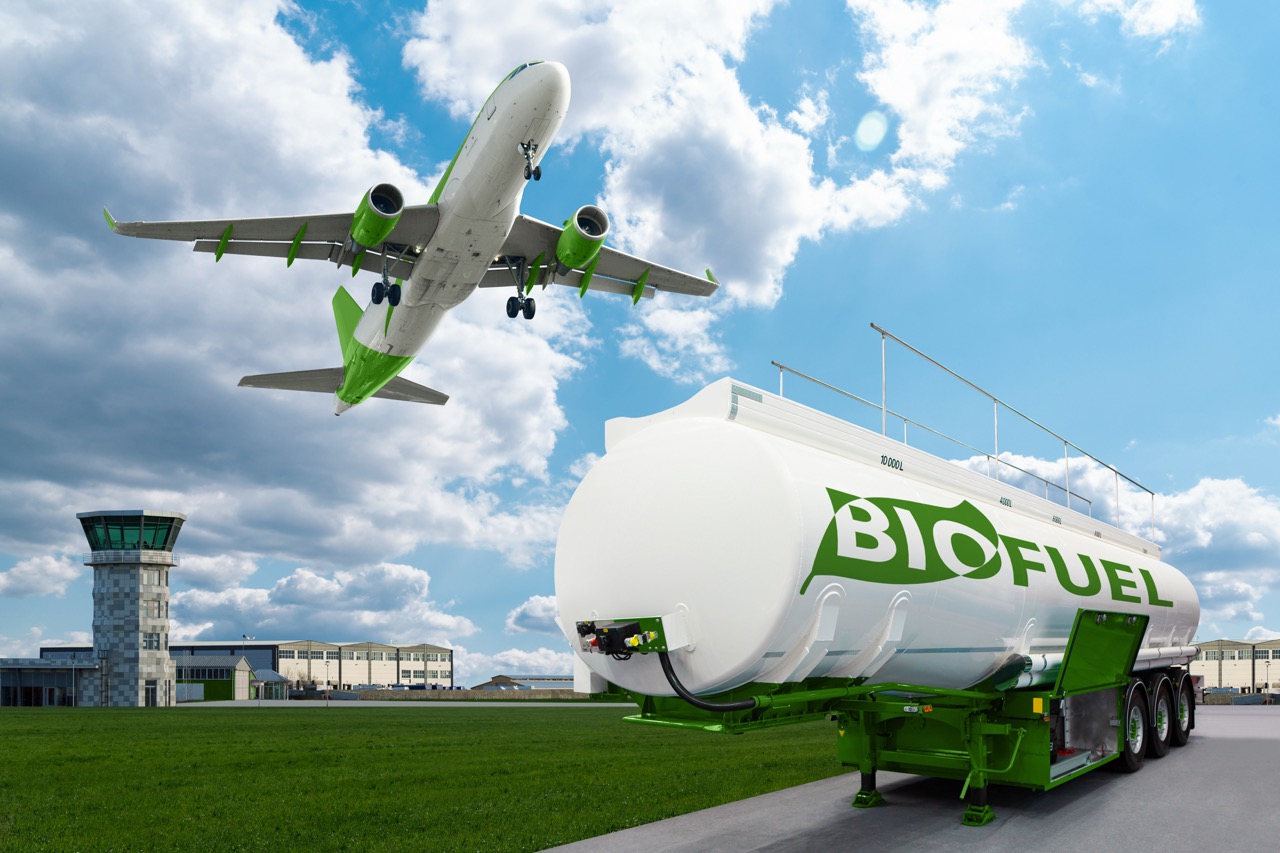
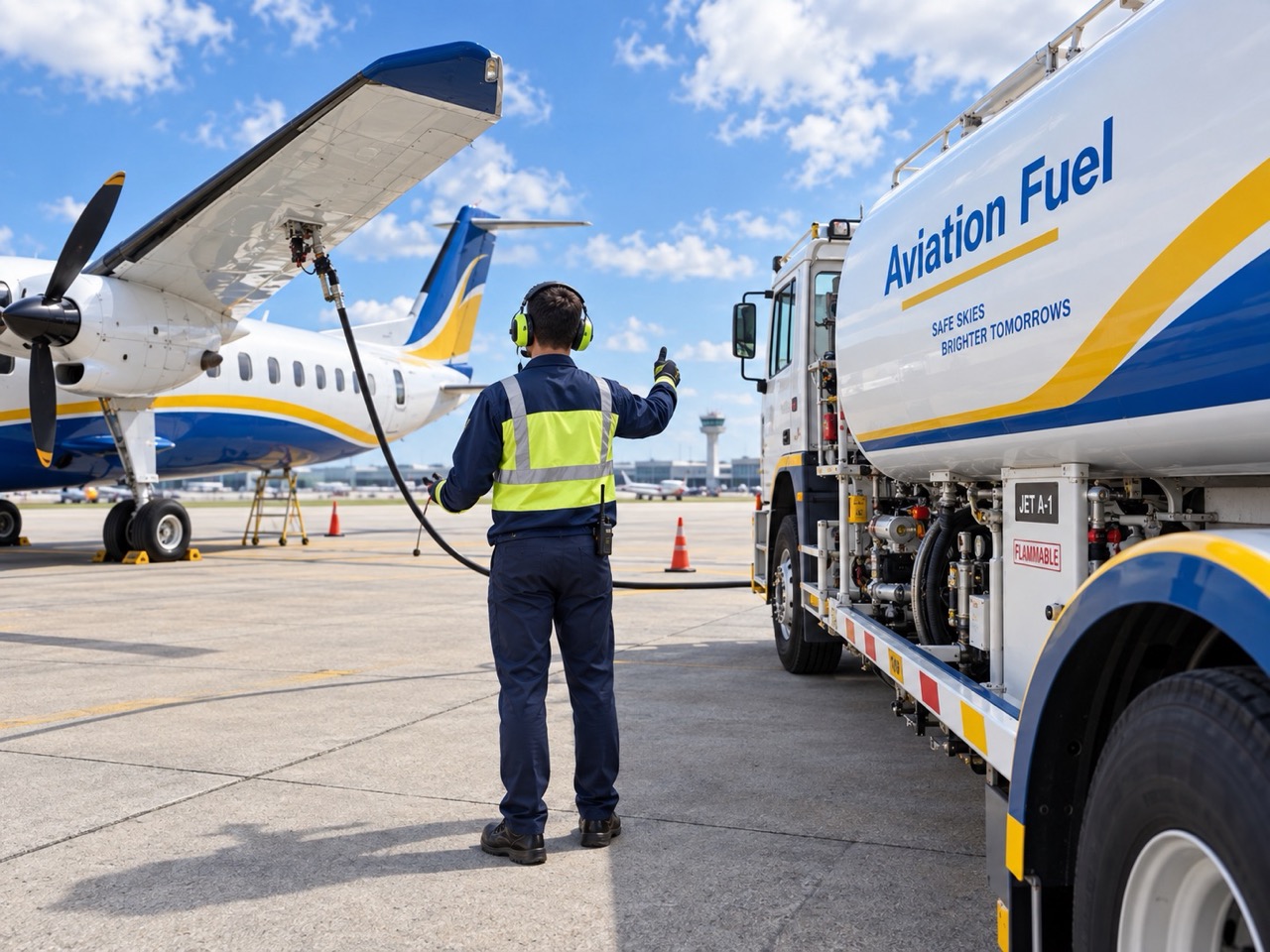
In Green Aviation, Thailand is advancing issues related to Sustainable Aviation Fuel (SAF) and the carbon credit market for the aviation sector.

In Future Aviation, initiatives include the development of the Thailand UAS and AAM Master Plan, regulations and standards for AAM, the promotion of General Aviation and seaplanes, as well as improvements to aviation data systems and infrastructure.

The meaning of an “aviation hub” is therefore becoming broader. It is no longer only a point connecting flights and passengers, but an ecosystem capable of supporting new aviation technologies, backed by clear regulations and standards, while bringing together technology developers, investors, government agencies and users.


Article image 2


Advanced Air Mobility Is More Than a New Type of Aircraft

Advanced Air Mobility, or AAM, is often associated with electric Vertical Take-Off and Landing aircraft (eVTOL) and unmanned aircraft.

However, the system required to operate these technologies safely extends far beyond the aircraft themselves.

The International Civil Aviation Organization (ICAO) has set the theme for AAM 2026 as “From Vision to Implementation: Enabling the AAM Ecosystem”, with an emphasis on moving AAM from early concepts and trials into systems that are safe, scalable and interoperable at the international level.

The programme covers lessons from Unmanned Aircraft Systems (UAS) and eVTOL, as well as workforce development, infrastructure, automation and the regulatory frameworks required for real-world implementation.

The development of AAM is therefore not a race to determine who can introduce a “flying taxi” first. It is about creating an ecosystem in which new aviation technologies can operate safely and to recognised standards alongside existing aviation systems.

Countries seeking to play a role in this industry need to prepare across multiple areas, including Type Certification, Airworthiness standards, licensing, flight operations, Low-Level Airspace management, data-system integration and the development of personnel capable of working with automation and next-generation aviation technologies.

Thailand Is Building the Regulatory Foundations Alongside Industry Development

Thailand’s preparations are not taking place solely within the country. They also include knowledge exchange with aviation regulators in other countries that are developing AAM.


Article image 3


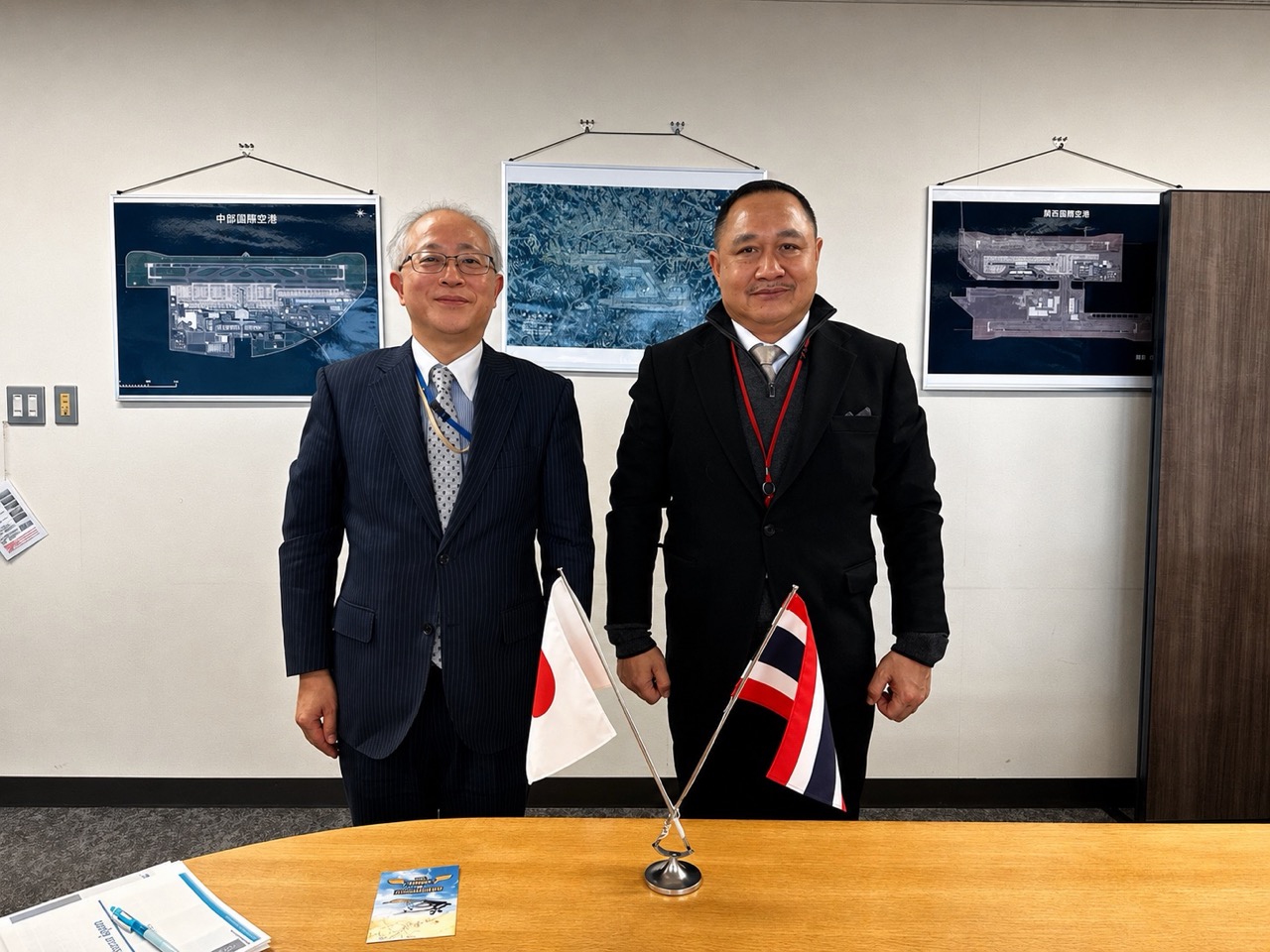
In February 2026, CAAT held discussions with the Japan Civil Aviation Bureau (JCAB) on the regulatory framework for AAM. The discussions covered aircraft type certification, airworthiness, licensing, operational standards and low-level airspace management, as well as information exchange, workforce development and cooperation in technical knowledge.

Cooperation between regulators is important to the development of AAM because aviation technology must evolve alongside regulations and standards that are aligned with international systems.

For Thailand, developing a regulatory framework from an early stage provides greater clarity for technology developers, investors and industry stakeholders regarding the country’s direction in testing, development and the eventual commercial deployment of new technologies.

This represents a shift from being solely a “technology user” towards participating in the creation of an ecosystem that supports the development of future aviation technologies.

AAM 2026: Thailand as a Meeting Point for the Future of Aviation

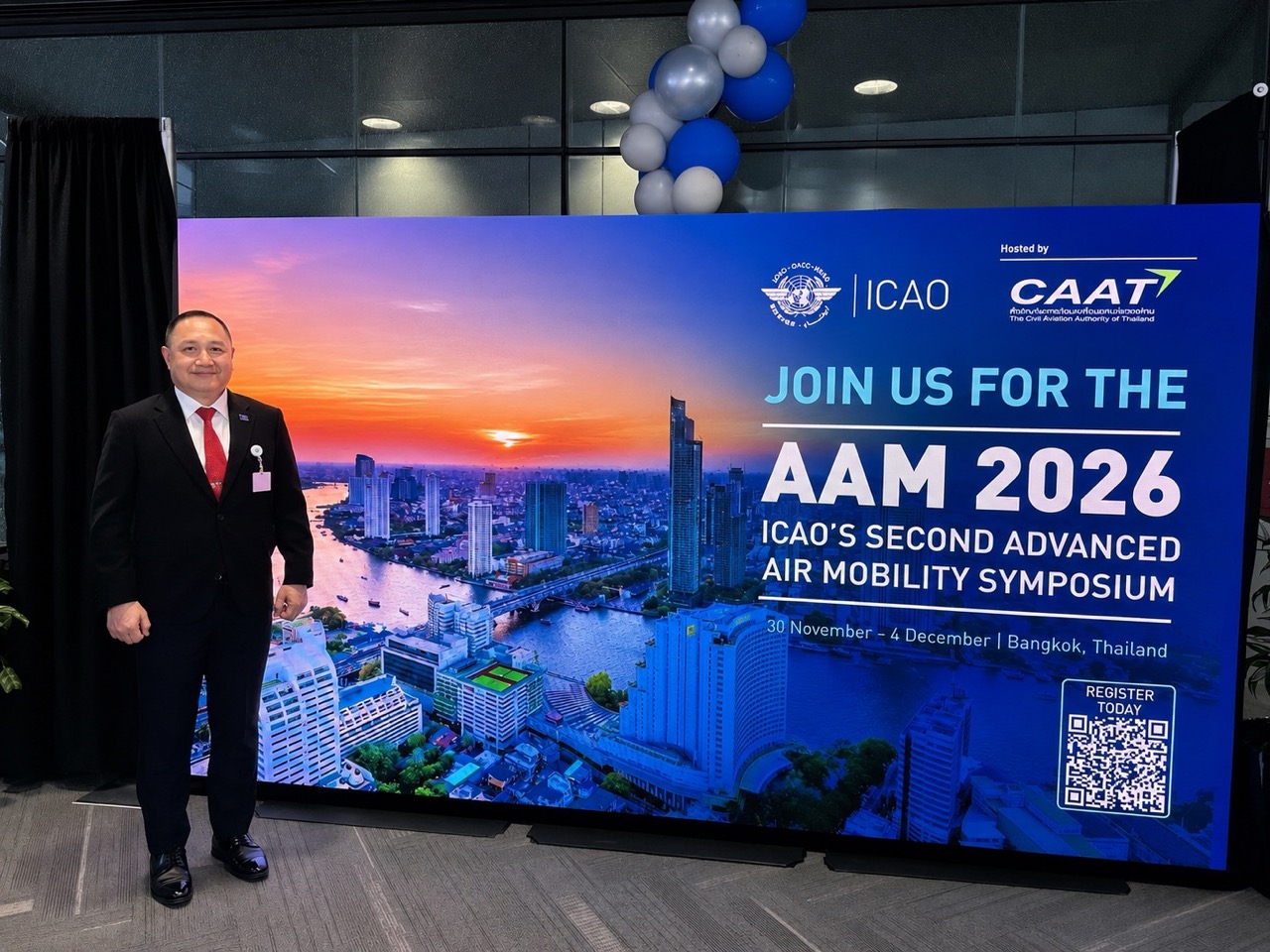
One of the key milestones in this direction is Thailand’s selection by ICAO to host the Second Advanced Air Mobility Symposium 2026 (AAM 2026), to be held from 1–3 December 2026 at IMPACT Exhibition and Convention Center.


Article image 4


CAAT states that this will be the first time this major symposium is held in Asia, following the inaugural event at ICAO Headquarters in 2024.

The Thai government expects approximately 1,500 participants from multiple countries, including ministerial-level representatives, heads of civil aviation authorities, industry executives and stakeholders involved in emerging aviation technologies.

The event will comprise an international conference, an exhibition and demonstrations of unmanned aircraft.

The significance of hosting the event therefore goes beyond the number of participants travelling to Thailand. It brings policymakers, regulators, aircraft manufacturers and future-aviation specialists from different countries together in Thailand at a time when AAM standards, regulations, technologies and business models are still being shaped globally.

Thailand is therefore not merely following the direction of future aviation, but is also becoming part of the knowledge exchange and dialogue that help shape the industry’s development.

MICE as a Knowledge Platform

From Knowledge Exchange to Knowledge Legacy

The value of MICE does not end when an event concludes. Knowledge generated and exchanged during an event can be developed into a long-term Knowledge Legacy, whether through workforce development, professional networking, higher industry standards, research collaboration, or the practical adoption of new technologies and innovations.

This is particularly relevant as Thailand advances future industries. MICE can serve as a Knowledge Gateway that connects global expertise with the ecosystems of industries in Thailand, ranging from AI and digital technology, medicine and healthcare, future food and clean energy to creative industries and other high-value sectors.

The first dimension that gives AAM 2026 value beyond that of a conventional conference is the role of the MICE industry as a Knowledge Platform.

Aviation is a highly specialised sector in which new technologies cannot be deployed immediately without appropriate regulations, safety standards and regulatory systems.

Bringing government agencies, manufacturers, researchers, technical specialists and regulators from different countries together on a single platform helps bridge the gap between “technologies under development” and “the systems required to support those technologies”.

ICAO states that AAM 2026 will focus on developing globally aligned frameworks, fostering multi-stakeholder collaboration, and addressing issues related to human resources, infrastructure and the role of people in environments where Automation and Autonomy are becoming increasingly prevalent.

When global knowledge is exchanged in Thailand, Thai professionals do more than attend and listen. They also build networks with specialists, gain a better understanding of regulatory approaches in different countries and follow technologies that are moving towards global markets.

This is the role of the MICE industry in bringing “global knowledge” closer to domestic industries and enabling that knowledge to be connected, applied and further developed after an event has ended.

When “global knowledge” meets “Thailand’s potential”, that knowledge can become a new opportunity for the country.

MICE as an Investment & Industry Platform

Another important dimension is the role of the MICE industry in connecting knowledge with business and investment opportunities.

While AAM remains in a development phase, investors and technology developers consider more than market size. They also look at policy clarity, regulatory readiness, safety systems, infrastructure, human resources and government cooperation.

The Thai government has stated that hosting AAM 2026 can help strengthen investor confidence, demonstrate Thailand’s readiness for emerging aviation industries and support the development of regulations, standards and practices aligned with ICAO and international standards.

In the context of MICE, international conferences allow investors, manufacturers, policymakers, researchers and businesses to meet on the same platform, without separating knowledge exchange from the development of business collaboration.

Technology developers gain insight into the regulatory direction. Government agencies hear directly about industry challenges and limitations. Investors gain a clearer understanding of the market environment, while Thai businesses can identify opportunities ranging from aircraft and control systems to maintenance, software development and related infrastructure.

A single event can therefore become a space where Policy, Technology and Investment converge — an important foundation for the development of emerging industries.

MICE as a Global Positioning Tool

Another important role of the MICE industry is to help position Thailand on the global industry map.

ICAO’s decision to select Thailand as host of the second AAM Symposium — and the first edition of the event to be held in Asia — represents more than simply winning the right to host an international event.

Hosting the symposium places Thailand within the global conversation on Future Aviation at a time when the industry is defining technological directions, standards and future applications.

This form of International Visibility is created through the participants’ direct experience of Thailand, including the work of government agencies, infrastructure, the industrial ecosystem and the country’s cooperation networks.

The outcomes of the event therefore extend beyond Delegate Spending on hotels, restaurants, transport and event services. They also include the Perception of Thailand among policymakers, industry executives and other influential figures in the global aviation sector.

Hosting the event also creates new points of connection for research collaboration, knowledge exchange, technology trials, investment, and opportunities to attract future-aviation events to Thailand in the years ahead.

The value created by the MICE industry can therefore continue well beyond the final day of the conference.


Article image 5


From Accommodating Aircraft to Enabling the Future of Aviation

Positioning Thailand as a Regional Aviation Hub remains an important national objective. At the same time, technological change is expanding the meaning of the term “aviation hub”.

A future aviation hub will not only serve passengers, flights and transfers. It must also support innovation, regulations, technology, talent and new businesses emerging within the industry.

The UAS and AAM Master Plan, the development of regulations and standards, preparations for low-level airspace, the promotion of Green Aviation and cooperation with international partners are all part of laying the foundations for a future aviation system.

Connecting a global platform such as AAM 2026 with these development efforts also expands the role of the MICE industry beyond being an industry that simply benefits from air travel.

MICE becomes one of the mechanisms that connects knowledge, technology, policy, investment and international networks with the development of Thailand’s aviation industry.

This is the relationship between the Aviation Ecosystem and the MICE Ecosystem.

Aviation enables people from around the world to meet, while MICE turns those meetings into knowledge, collaboration, investment and business opportunities that can continue to develop.

Thailand’s Next Aviation Chapter does not mean declaring that Thailand has already become a global centre for AAM. Rather, it reflects the country’s systematic efforts to build the foundations needed to strengthen Thailand’s role in an emerging generation of aviation industries.

For the MICE industry, the transition from an Aviation Hub to Advanced Air Mobility is not only about making travel more convenient or better connected. It also strengthens Thailand’s potential to become a platform connecting the world with the future aviation industry by attracting international conferences, exhibitions, Business Forums and knowledge-exchange platforms in Aviation, Aerospace and Mobility Technology.

When travel readiness converges with the MICE Ecosystem, Thailand can turn Connectivity into Business Connectivity, linking specialists, investors, technologies and business opportunities from around the world.

This also creates a new positioning for Thailand — not simply as a destination that is easy to reach, but as a destination the world travels to in order to connect with the opportunities of the future.