Thailand Convention & Exhibition Bureau (TCEB)

Thailand’s Infrastructure Strengthens the Country’s Role as a Regional MICE Business Hub

The competitiveness of a MICE destination is no longer measured solely by the number of convention centres, hotel rooms or tourist attractions it offers. It also encompasses ease of international access, connectivity between airports and event venues, public transportation, the movement of goods and exhibition equipment, as well as digital infrastructure and sustainable mobility options.

The competitiveness of a MICE destination is no longer measured solely by the number of convention centres, hotel rooms or tourist attractions it offers. It also encompasses ease of international access, connectivity between airports and event venues, public transportation, the movement of goods and exhibition equipment, as well as digital infrastructure and sustainable mobility options.

These elements form part of the participant experience from the moment visitors arrive in Thailand and directly influence a city’s readiness to host national and international events.

For Thailand, the development of transport infrastructure, the Eastern Economic Corridor or EEC, digital infrastructure, energy systems and electric mobility is doing more than making travel more convenient. It is also connecting the MICE industry with the broader economy, investment, target industries and business networks across different parts of the country.

Infrastructure is therefore more than a system operating behind the scenes of an event. It is one of the foundations that enables Thailand to support business meetings, knowledge exchange, investment and international collaboration effectively.
From Transport Infrastructure to a Connected Network of MICE Destinations

Thailand continues to invest in transport infrastructure across roads, railways, waterways and aviation. In fiscal year 2026, the Ministry of Transport received a total budget allocation of THB 265.406 billion, of which THB 234.748 billion was designated for investment to advance the country’s transport systems and infrastructure.

The importance of these investments to the MICE industry goes beyond reducing travel time. They also connect cities and regions with Thailand’s wider event network.

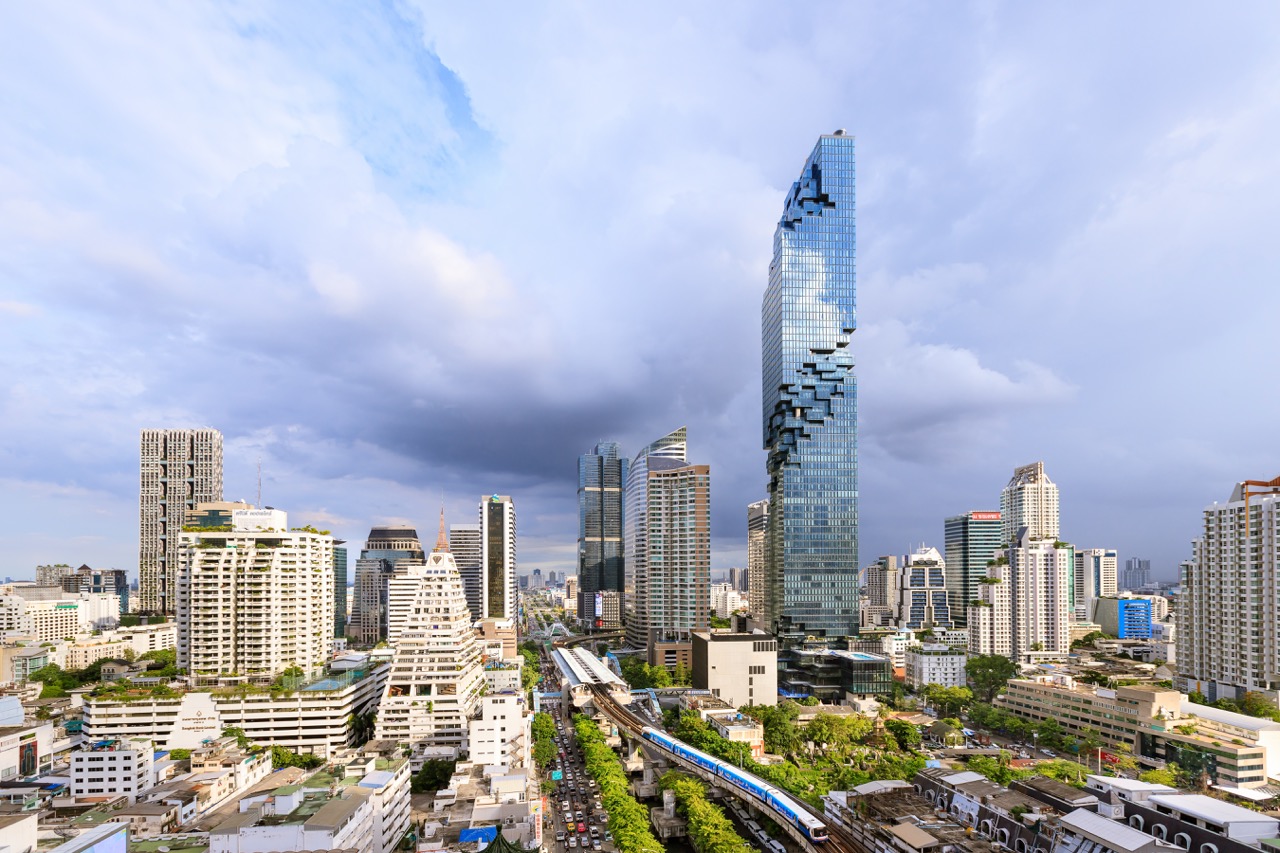
Bangkok serves as a major hub for international conferences and exhibitions, while Chiang Mai, Phuket, Pattaya, Khon Kaen, Nakhon Ratchasima and other MICE cities across the regions offer different strengths and experiences. Improved road, rail and air connectivity allows these destinations to function increasingly as part of an interconnected network.

A conference can be combined with a study visit in another province. An incentive journey can incorporate multiple destinations, while an industry-focused event can connect an event venue with manufacturing bases, industrial estates, research centres or key economic zones within a single programme.

Thailand therefore offers more than several cities with the capacity to host international events. It has a network of MICE destinations connected through the country’s transport and infrastructure systems.

Article image 1

Airports Are Part of a Destination’s Readiness

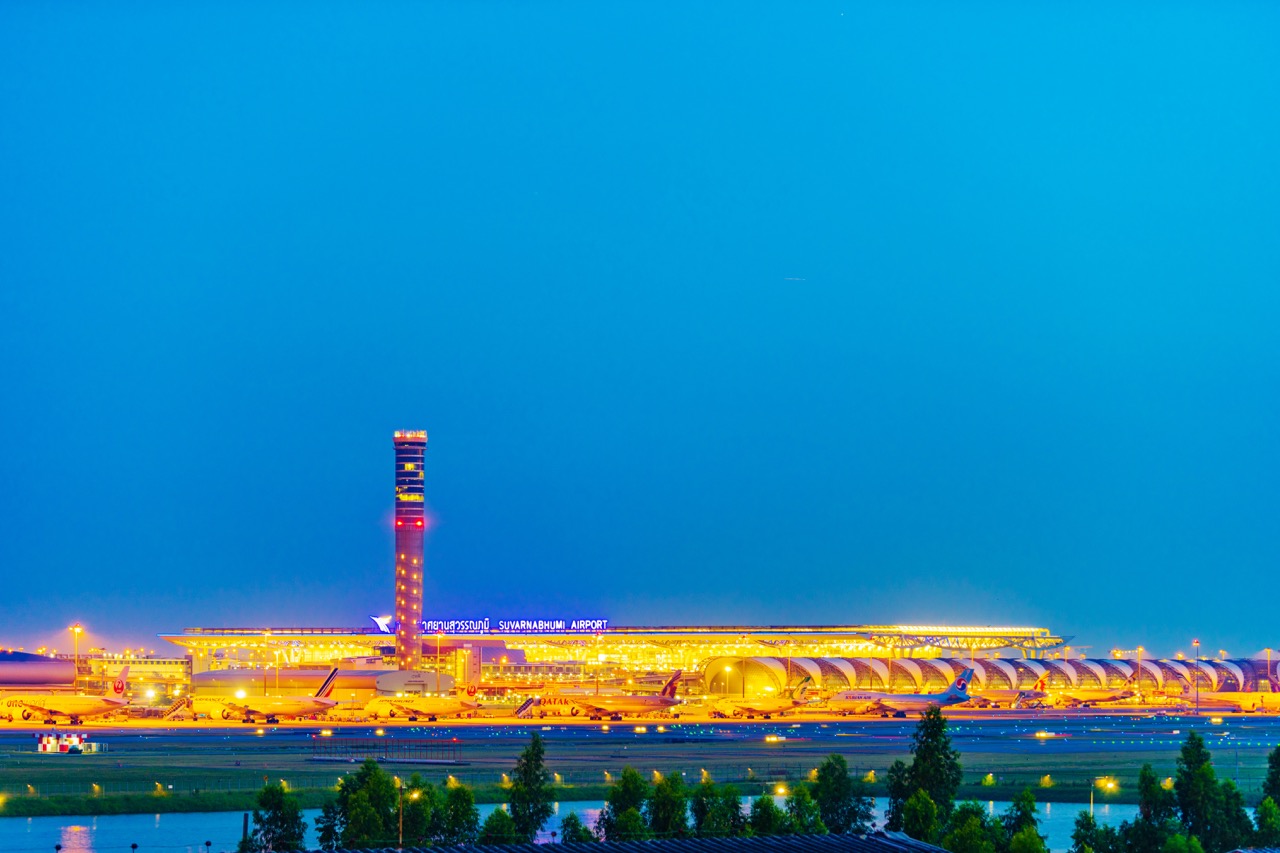
For international MICE events, airports are more than gateways into the country. Their capacity to accommodate flights and passengers, together with onward connectivity into cities, directly affects both the participant experience and event operations.

Thailand has major international airports as well as an extensive network of regional airports. In 2026, the government continued to enhance the capacity of 28 regional airports to support travel, economic activity and investment across different parts of the country.

This network expands the options available for event and travel programme design. Organisers can select destinations according to the objectives, content and experiences they want to create for participants, rather than considering only the size of a convention centre or the number of hotel rooms.

For the MICE market, this readiness allows Thailand to offer a diverse range of destinations within a single country.

Article image 2

EEC: When Infrastructure Connects MICE Events with Industry

The Eastern Economic Corridor, or EEC, clearly demonstrates how infrastructure can connect event activity directly with economic and industrial bases.

Major EEC infrastructure projects include the High Speed Rail Linking Three Airports, Laem Chabang Port Phase 3, Map Ta Phut Industrial Port Phase 3, U-Tapao Airport and the Eastern Aviation City. Together, these projects connect road, rail, maritime and air transport and logistics systems with key economic areas in Thailand’s Eastern region.

The High Speed Rail Linking Three Airports is designed to connect Don Mueang, Suvarnabhumi and U-Tapao airports, while also linking Bangkok with the EEC. According to EECO, the plan is to issue the Notice to Proceed in 2026, with full operations scheduled for 2031.

At the same time, Laem Chabang Port Phase 3 is advancing the region’s logistics and freight capacity, with the current plan calling for the F1 terminal to begin operations in 2027.

For MICE events, these infrastructure developments give the Eastern region strengths that extend beyond convenient travel. Automotive events can connect directly with manufacturing bases and industrial study visits. Logistics-related events can link with ports and transport systems, while technology events can connect with industrial estates and innovation ecosystems. Business Matching, Factory Visits and Site Inspections can all form part of the same business programme.

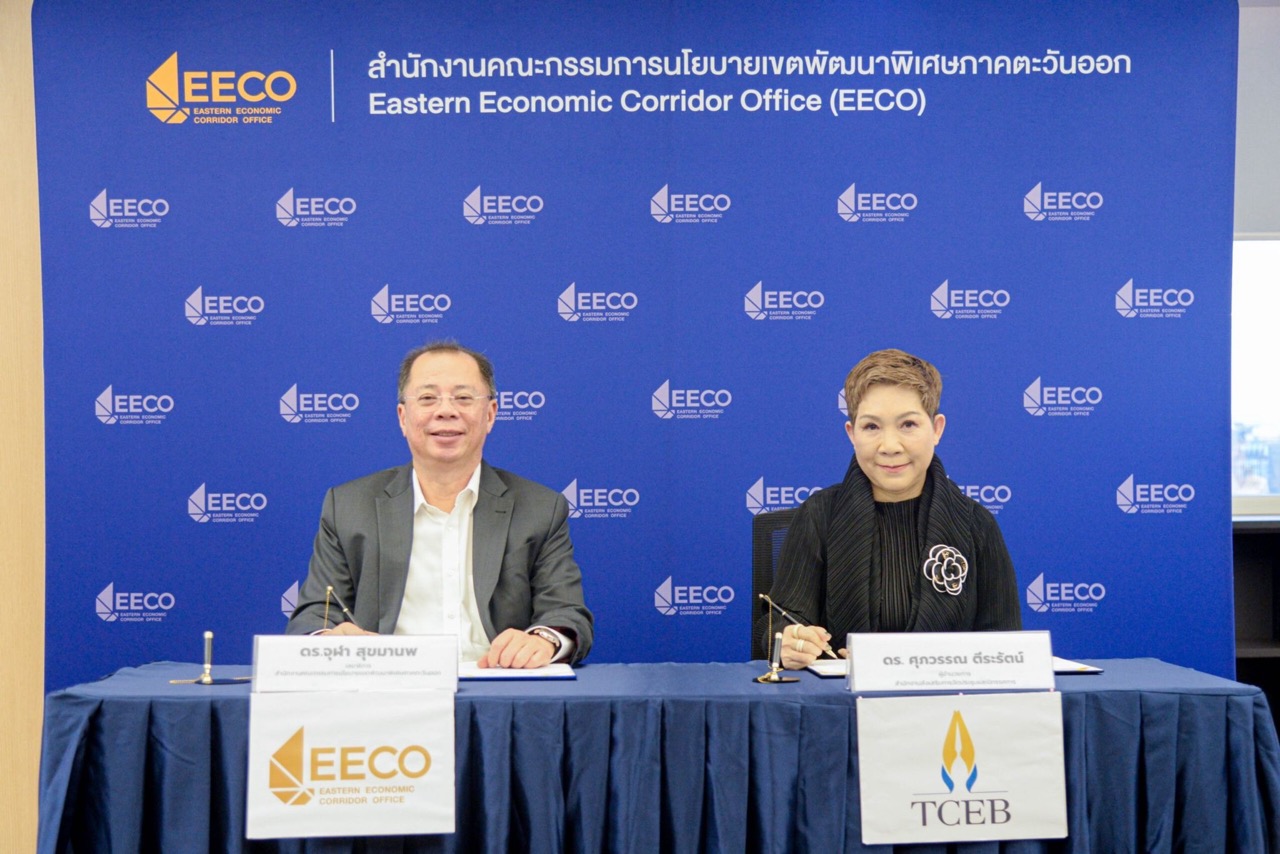
Cooperation between EECO and TCEB in 2026 also uses the MICE industry as a mechanism to connect investment, target industries, entrepreneurs, communities and business networks across the EEC.

The EEC therefore illustrates how infrastructure, industrial bases and the MICE industry can be interconnected and advance together within the same economic system, transforming event destinations into platforms for business opportunities, investment and international collaboration.

Article image 3

Digital Infrastructure Connects Thailand with the New Economy

Another element playing an increasingly important role in Thailand’s competitiveness is digital infrastructure.

According to the Thailand Board of Investment, or BOI, during the first half of 2026 Thailand received 1,299 applications for investment promotion with a combined value of THB 1,473.718 billion, an increase of 37 percent from the same period a year earlier.

The digital sector alone accounted for 90 applications worth THB 1,115.260 billion, covering investments in data centres, data hosting, cloud services and AI-related infrastructure.

These figures represent the value of applications for investment promotion, rather than investment that has already been fully implemented. Nevertheless, they reflect the direction of investment activity currently taking place in Thailand’s digital sector.

The expansion of the data centre, cloud, AI, advanced electronics and digital infrastructure ecosystem is increasing the presence of knowledge, talent, investors, suppliers and related industry networks in Thailand.

Examples include the launch of the AWS Region in Thailand, supported by a planned investment of more than US$5 billion. Beyond strengthening cloud infrastructure, the investment also expands an ecosystem that connects developers, digital entrepreneurs, skilled professionals and businesses providing advanced technology services.

Google has also announced an investment of US$1 billion, or approximately THB 36 billion, to expand digital infrastructure in Thailand, including a data centre in Chonburi and a Cloud Region in Bangkok, while linking the investment with the development of digital and AI skills in the country.

For the MICE industry, these ecosystems provide a content base for conferences, exhibitions, business negotiations and knowledge exchange in areas including AI, Cloud Computing, Cybersecurity, Semiconductors, Data Infrastructure and the Digital Economy.

Thailand therefore has not only the digital infrastructure to support event delivery, but also an economic and industrial ecosystem that allows event content to connect directly with real business and investment activity.

From Digital Infrastructure to Data-Driven MICE

Digital transformation is taking place not only across Thailand’s economy but also within the MICE industry itself.

TCEB’s direction in 2026 places importance on Data, Intelligence and Innovation as tools for developing the MICE industry, marketing and destination competitiveness under the TCEB Go strategy and the vision of “Global–Asia’s Trusted Gateway”.

One initiative reflecting this direction is JerGan, TCEB’s digital platform connecting MICE travellers with the wider MICE ecosystem, including event venues, restaurants, communities, transportation services and related services.

The platform also supports the development of MICE Behavioral Data Infrastructure, allowing behavioural data to inform planning and marketing more effectively for specific target audiences.

The Data-Driven MICE approach brings data into the development of participant experiences, connects businesses with MICE travellers and provides greater insight into market behaviour.

Thailand’s national digital infrastructure and the development of data systems within the MICE industry therefore move in the same direction, enabling people, businesses, services and information to connect more efficiently.

Green Infrastructure Supports the MICE Industry’s ESG Direction

Infrastructure readiness today is no longer evaluated only in terms of speed, capacity or convenience. It also encompasses energy efficiency, carbon reduction and resilience to climate change.

An OECD report published in June 2026, citing a World Bank assessment, indicated that Thailand requires approximately US$260 billion in investment in energy, transport and industrial infrastructure for the green transition between 2025 and 2040.

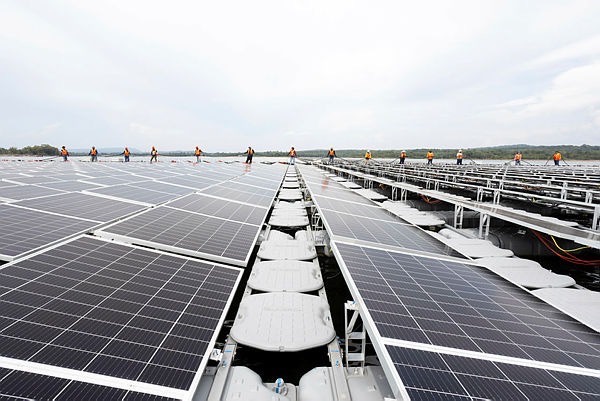
In the transport sector, Thailand continues its transition towards cleaner energy systems. One example is the Bangkok Mass Transit Authority’s programme to procure 1,520 electric buses as part of efforts to modernise public transport while reducing greenhouse gas emissions and air pollution.

The expansion of electric public transport, electric vehicles and energy infrastructure provides organisers with more options for incorporating sustainability into travel planning, from participant shuttle services and transportation between venues to the design of off-site programmes.

Mobility therefore becomes more than a logistical component of an event. It becomes part of Sustainable Event Design and the ESG direction of the MICE industry.

Article image 4

Credit: https://www.egat.co.th/

Infrastructure Helps Distribute Opportunities to Cities and Regions

Another important outcome of infrastructure development is its ability to connect more cities with the MICE market.

As airports, roads, railways, digital infrastructure and travel services expand their coverage, cities across Thailand can connect their own strengths with meetings, incentive travel, exhibitions, study visits and business activities in increasingly diverse ways.

The benefits are therefore not limited to event venues or hotels. They extend throughout the MICE value chain, including professional event organisers, production service providers, transportation operators, restaurants, activity providers, local product manufacturers, communities and the local workforce.

From this perspective, infrastructure does more than simply “take people to an event”. It connects events, travellers and economic activity with cities and regions across the country.

As Investment Creates New Industries, the MICE Industry Connects with New Markets

Infrastructure also supports investment and the growth of Thailand’s target industries.

As investment activity expands in AI, data centres, electronics, electric vehicles, energy, logistics and advanced industries, more executives, engineers, investors, suppliers, professional associations, researchers and specialists become part of Thailand’s economic ecosystem.

These networks form an important foundation for conferences, exhibitions, Business Matching, Corporate Meetings, Technical Visits and knowledge exchange activities.

The MICE industry therefore connects investment activity with business engagement, enabling entrepreneurs, experts, investors and industry networks to exchange knowledge, build partnerships and develop new business opportunities together.

Infrastructure, investment and the MICE industry are consequently interconnected components of the same economic system.

From Infrastructure Hub to Global–Asia’s Trusted Gateway

Thailand’s infrastructure development is aligned with TCEB’s vision of positioning the country as “Global–Asia’s Trusted Gateway”, a trusted gateway connecting the world with Asia, with Thailand’s MICE industry generating High Impact for the economy and industry while delivering valuable and sustainable experiences.

Thailand has infrastructure that connects travellers with cities, cities with one another, event venues with industrial bases, investment with entrepreneurs, and data, technology and services with the MICE ecosystem.

Roads, railways, airports, seaports, the EEC, digital infrastructure, energy systems and transport networks moving towards greater sustainability are therefore more than national development projects progressing alongside the MICE industry.

They are foundations that strengthen Thailand’s capabilities as a destination for international meetings and business.

Together, these elements provide Thailand with more than the capacity to welcome event participants. They create a system that connects people, businesses, industries, technology, investment and cities.

This is the strength of Thailand’s infrastructure in reinforcing the country’s role as a regional MICE business hub and an important foundation for advancing Thailand as “Global–Asia’s Trusted Gateway”.