Why Thailand: Thailand’s MICE Cities, Distinctive Identities, Global Standards
Choosing a destination for a MICE event today is no longer simply about which city has the largest convention centre, the greatest number of hotel rooms or the capacity to accommodate the most participants. Organisers also need to consider what each city can contribute to the objectives and content of the event.
Choosing a destination for a MICE event today is no longer simply about which city has the largest convention centre, the greatest number of hotel rooms or the capacity to accommodate the most participants. Organisers also need to consider what each city can contribute to the objectives and content of the event.
Innovation-focused events require an environment that brings together technology, business and professional networks. Creative events draw on art, culture, craftsmanship and local entrepreneurs. Incentive travel depends on memorable experiences, cuisine and leisure, while sustainability-focused events can build on a destination’s natural assets, communities and local knowledge.
This is one of Thailand’s key strengths.
Thailand’s 10 MICE Cities are spread across different regions: Bangkok, Chiang Mai, Pattaya–Chonburi, Phuket, Khon Kaen, Phitsanulok, Udon Thani, Nakhon Ratchasima, Surat Thani and Songkhla.
Each city offers a different combination of infrastructure, economy, industry, culture, knowledge and experiences. This diversity allows Thailand to match each destination with the purpose of an event, rather than applying the same proposition to every city.
In recent years, Thailand’s MICE Cities have also gained recognition from international networks and organisations across a wide range of areas, including creative cities, learning cities, cultural and natural heritage, festivals, sustainability and the hosting of international events.
These recognitions do not mean that any one city is suited to every type of event. Rather, they highlight the distinctive strengths and stories that each city can contribute to event design.
Bangkok: Business, Design, Innovation and Global Connectivity
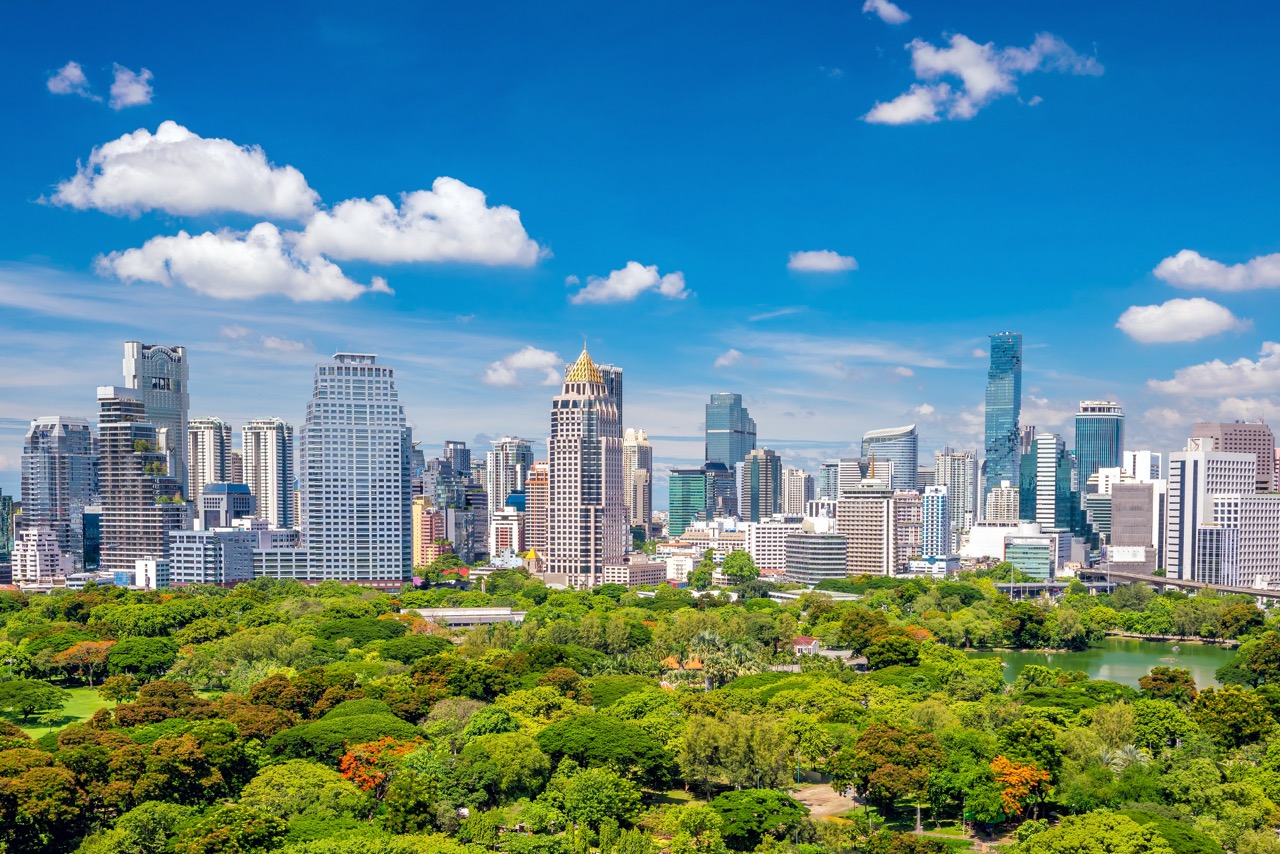
Bangkok is well positioned for events that seek to bring together business, technology, creativity and international networks.
Alongside large-scale MICE infrastructure, international airports, urban rail systems and a strong hospitality ecosystem, the city also offers a thriving creative economy, universities, technology businesses, entrepreneurs, business districts and creative neighbourhoods that can be integrated into event programmes in many different ways.
Bangkok has maintained a strong presence in the international meetings market, particularly through the rankings of the International Congress and Convention Association (ICCA), an important benchmark for the global meetings industry. Bangkok has also been a UNESCO Creative City of Design since 2019 and joined the UNESCO Global Network of Learning Cities in 2024, reflecting its strengths in both design and lifelong learning.
Bangkok was recognised as the Most Improved Destination in the Global Destination Sustainability Index (GDS-Index) 2022, while international travel rankings continue to reflect the city’s enduring appeal as a global destination.
In 2026, Bangkok was named Best City in Asia in the DestinAsian Readers’ Choice Awards 2026, retaining the top position for a third consecutive year.
Another significant recognition came from the Global Tourism City Attractiveness Index 2026, produced by Yanolja Research in collaboration with Purdue University in the United States and Kyung Hee University in South Korea. Bangkok ranked 8th among 200 cities worldwide.
Unlike conventional tourism rankings that rely primarily on visitor numbers or hotel occupancy rates, the index analysed tourism-related conversations on social media across 14 languages.
It assessed destinations through two principal dimensions: Cognitive Awareness, which measures visibility, recognition and the extent to which a destination features in global tourism conversations; and Affective Attractiveness, which evaluates memorability, enjoyment of the destination experience and travellers’ willingness to recommend the destination to others.
Bangkok ranked 5th in Cognitive Awareness and 9th in Affective Attractiveness.
The research also analysed 419 tourism-related words and expressions covering urban and natural landscapes, culture and history, experiential activities and services. The findings illustrate that a city’s appeal is shaped not only by how widely it is known, but also by the experiences and emotional impressions it creates.
In 2025, Bangkok ranked No. 3 among the Best Cities in Asia and No. 4 among the Best Cities in the World in the Travel + Leisure World’s Best Awards. It was also ranked the No. 1 city destination in Asia in Smart Travel Asia’s Best in Travel 2025, retaining the top position for a second consecutive year.
These recognitions reflect Bangkok’s strengths not only in infrastructure and international connectivity, but also in global awareness, culture, cuisine, hospitality and urban experiences, all of which can add value to international MICE events.
For organisers, Bangkok’s advantage therefore extends beyond the number of convention centres or hotels. It lies in the ability to design programmes that connect meetings with creative districts, technology hubs, business areas, business matching, culture, cuisine and urban experiences, making Bangkok more than simply a place to hold an event, but part of an experience that participants remember.
Pattaya–Chonburi: Connecting MICE with Business, Industry and the EEC
Pattaya–Chonburi stands out for its ability to combine a coastal tourism destination with the economic and industrial base of the Eastern Economic Corridor (EEC).
Conferences and incentive programmes can therefore extend into industrial study visits, factories, manufacturing bases, investment areas and seaside activities within the same programme.
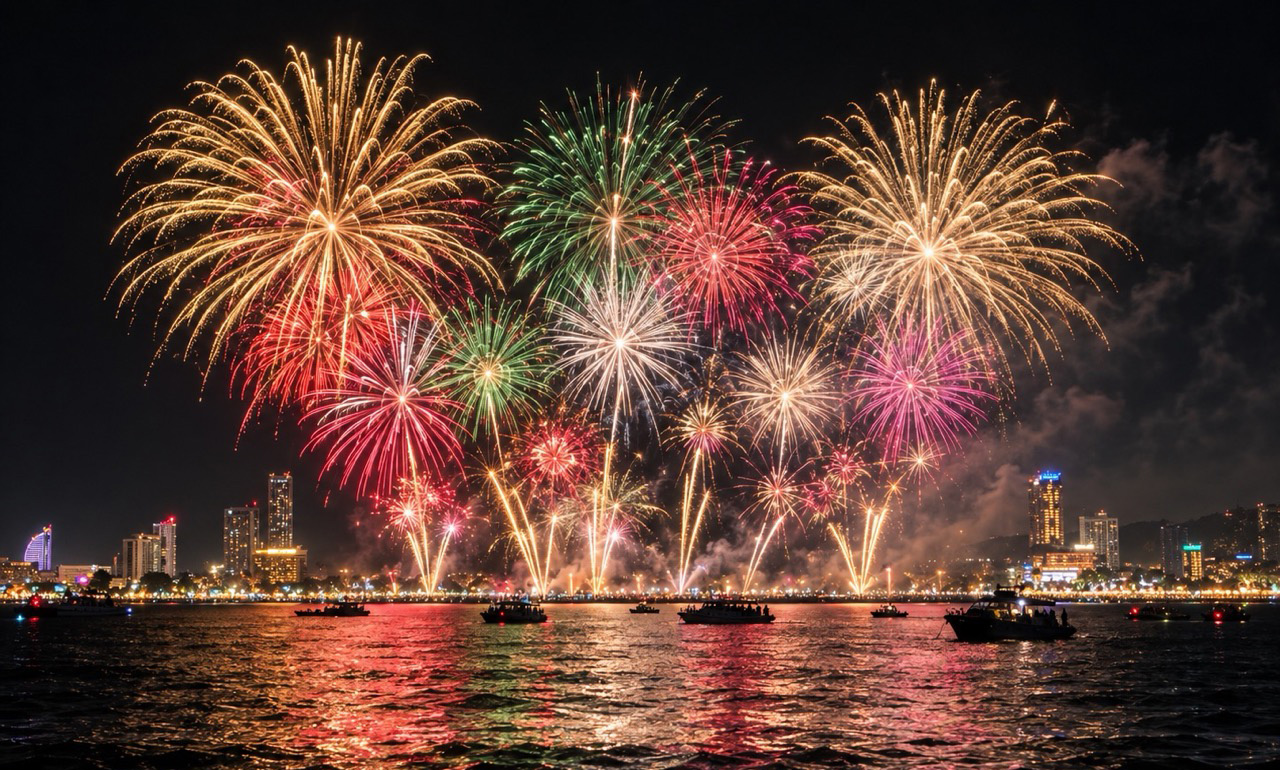
Although Pattaya does not currently appear on the list of IFEA World Festival & Event Cities, the Pattaya International Fireworks Festival has achieved clear international recognition. In 2022, it was selected by IFEA Asia as one of three outstanding Ocean Cities’ Festivals in Asia, and in 2024 it received the Gold Award for Best Emergency Preparedness & Risk Management Plan at the IFEA Pinnacle Awards.
Pattaya was also selected to host the 2024 Pinnacle Awards & Asia Festival City Conference, marking the first time the event was held outside South Korea and reflecting the city’s capabilities as both a Festival City and a MICE Destination.
The Pattaya International Fireworks Festival has also received recognition from the IFEA network across several dimensions, including festival organisation, the night-time economy and event management.
In the same year, Pattaya hosted the IEEE International Smart Cities Conference, the first time the conference was held in Thailand and the ASEAN region.
Pattaya’s identity therefore extends beyond that of a seaside leisure destination. It is also connected with smart cities, technology, urban development, business and industry.
Phuket: Gastronomy, Wellness, Sustainability and Incentive Travel
Phuket is a destination that clearly brings its identity and lifestyle into the MICE experience, particularly through incentive travel, wellness, gastronomy and sustainability.
Phuket is recognised as a UNESCO Creative City of Gastronomy and is also a member of the UNESCO Global Network of Learning Cities.
In 2024, Phuket received the IFEA World Festival & Event City Award from the International Festivals & Events Association (IFEA). International recognition also included a Silver Grand Pinnacle Award for the Phuket Vegetarian Festival and a Gold Award for Best Parade for the Phuket Peranakan Festival.
Phuket hosted the UNESCO Creative Cities of Gastronomy (CoG) Subnetwork Annual Meeting from 10–12 May 2024. UNESCO noted that it was the first annual meeting of the Cities of Gastronomy network since the UNESCO Creative Cities Network was established in 2004.
Its status as a UNESCO Creative City of Gastronomy therefore represents an important strength that can be directly incorporated into MICE through gastronomy, incentive travel and creative experiences.
Phuket further reinforced its global role by being selected to host and successfully deliver the Global Sustainable Tourism Conference 2026 (GSTC 2026), an international conference on sustainable tourism bringing together leaders, policymakers, specialists and businesses from around the world.
The conference addressed topics including Sustainable Hospitality, Resilient Cities & Communities, visitor management and destination carrying capacity. Hosting the event reflected Phuket’s evolution beyond the image of a beach destination towards a city that brings together gastronomy, sustainability, wellness, creative culture and international events within the same ecosystem.
Chiang Mai: Creativity, Lanna Culture and Meaningful Experiences
Chiang Mai stands out for its ability to integrate Lanna culture, craftsmanship, creativity, nature and local communities into the MICE experience.
The city is recognised by UNESCO as a Creative City of Crafts and Folk Art and received the IFEA World Festival & Event City recognition in 2022.
In 2025, Chiang Mai ranked No. 1 among the Best Cities in Asia and No. 2 among the Best Cities in the World in the Travel + Leisure World’s Best Awards 2025, strengthening its destination appeal as a MICE City.
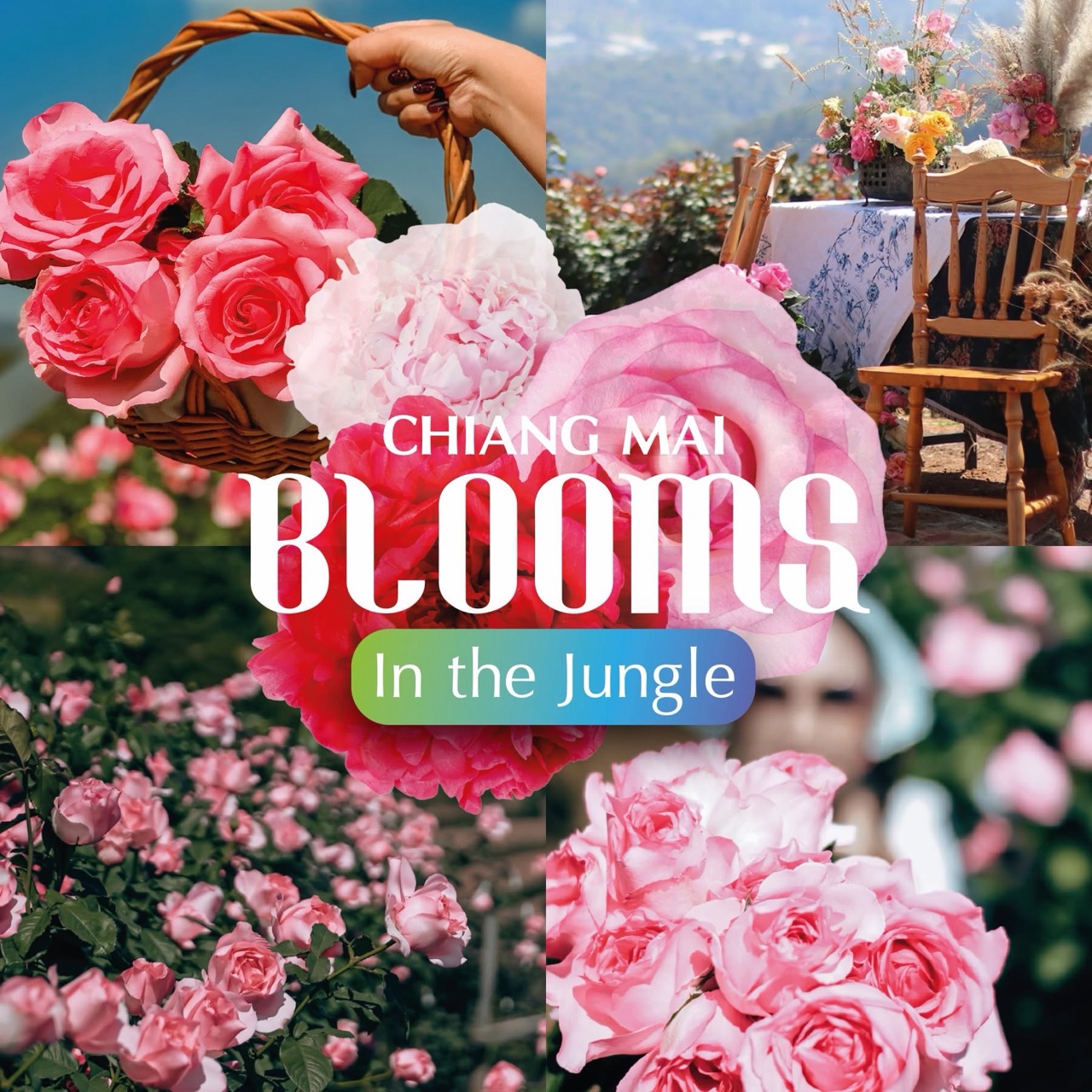
Chiang Mai Blooms also received a Gold Award for Best Facebook Site at the IFEA Pinnacle Awards 2023 and subsequently won Gold for Best Video Promotion in 2024.
Chiang Mai has continued to receive recognition in international tourism rankings, reflecting the city’s appeal in terms of culture, experiences and destination quality.
These strengths can be directly incorporated into MICE events related to the creative economy, design, craftsmanship, culture, wellness and incentive travel.
Organisers can connect event content with artisans, designers, communities, Lanna cuisine, nature and creative entrepreneurs, allowing participants not only to attend a meeting but also to experience Chiang Mai through its people and way of life.
Khon Kaen: Knowledge, Craftsmanship and the Economy of Northeast Thailand
Khon Kaen serves as an important centre of Northeast Thailand in education, medicine, trade and the creative economy, making it well suited to events that seek to connect knowledge exchange with the regional economy.
In 2024, Khon Kaen joined the UNESCO Global Network of Learning Cities and was also designated a World Craft City for Mudmee by the World Crafts Council.
These recognitions reflect the city’s ability to transform local wisdom into a contemporary creative economy and body of knowledge.
Khon Kaen also hosts international platforms that bring together academia, culture and business, such as the World Ikat Textiles Symposium 2025, which combines textile knowledge, craftsmanship, exhibitions and business matching within a single event.
Beyond craftsmanship and knowledge, Khon Kaen also reflects the growth of a regional MICE city driven by innovation and smart-city development.
Urban safety initiatives have received the World Smart City 2025 Award in the Smart Security / Smart Safety category, while MICE infrastructure such as KICE has achieved the ASEAN MICE Venue Standard (AMVS) and was ranked among the Top 5 in the Exhibition Venue category in 2026.
These developments demonstrate that Khon Kaen has MICE infrastructure recognised at the ASEAN level and reinforce the city’s readiness to integrate technology, infrastructure and international events with urban development.
Khon Kaen therefore gives organisers direct access to universities, businesses, communities and markets across Northeast Thailand.
Nakhon Ratchasima: Green Innovation, Agriculture and Global Platforms
Nakhon Ratchasima serves as a gateway to Northeast Thailand and has strong foundations in industry, agriculture, natural assets and biodiversity.
In 2023, Khorat Geopark was recognised as a UNESCO Global Geopark, covering more than 3,000 square kilometres and noted for its geological and fossil significance.
This gives Nakhon Ratchasima recognition under three UNESCO programmes, often described as the “UNESCO Triple Crown”: Sakaerat Biosphere Reserve, the Dong Phayayen–Khao Yai Forest Complex, a Natural World Heritage Site, and Khorat UNESCO Global Geopark.
These assets enable the city to move beyond being simply a MICE destination by designing events and experiences that bring together nature, science, geology, biodiversity, communities and sustainability.
Another important milestone is the approval by the International Association of Horticultural Producers (AIPH) for Nakhon Ratchasima to host Korat Expo 2029 as an A1 International Horticultural Exhibition.
Hosting the event connects urban development, agriculture, innovation and sustainability with an international platform.
MICE events held in Khorat can also draw on UNESCO-recognised living knowledge assets and develop them into Technical Visits, Pre/Post Tours, Sustainability Programmes or Knowledge Conventions.
For events related to sustainability, agriculture, advanced manufacturing and the green economy, Nakhon Ratchasima therefore offers both an industrial base and a destination context that can become part of the event content itself.
Udon Thani: Heritage, Culture and New International Platforms
Udon Thani’s strength lies in combining cultural heritage with its role as an economic centre of the upper Northeast.
The province is home to the Ban Chiang Archaeological Site, long recognised as a UNESCO World Heritage Site, while Phu Phrabat was added to the UNESCO World Heritage List in 2024.
These heritage and knowledge assets can support study visits, incentive travel and a wide range of local learning activities.
At the same time, Udon Thani has been selected to host the International Horticultural Expo 2026, which is included in the AIPH-approved calendar and is scheduled to take place from November 2026 to March 2027.
The event will bring Udon Thani and the region’s horticultural industry onto the international stage, while creating opportunities for knowledge and technology exchange and supporting the concept of green-city development.
Udon Thani therefore brings together heritage, agriculture, sustainability and regional travel, offering an alternative for events seeking experiences different from those of major cities while remaining connected to international platforms.
The city is developing its role as a Global Event City, using MICE and mega events as mechanisms to bring together culture, the green economy, sustainability and urban development.
Songkhla: Gastronomy, Sustainability and a Festival City
Songkhla has gained increasingly visible international recognition in recent years.
In 2025, Songkhla was designated a UNESCO Creative City of Gastronomy and, in the same year, received the IFEA World Festival & Event City 2025 recognition.
In sustainability, TCEB states that Songkhla MICE City ranked No. 1 in Thailand, No. 3 in Asia and No. 28 globally in the 2025 Global Destination Sustainability Index (GDS-Index), as well as No. 7 globally in social progress.
Another significant recognition came when UNESCO admitted Songkhla to the UNESCO Creative Cities Network (UCCN) in the field of Gastronomy in 2025.
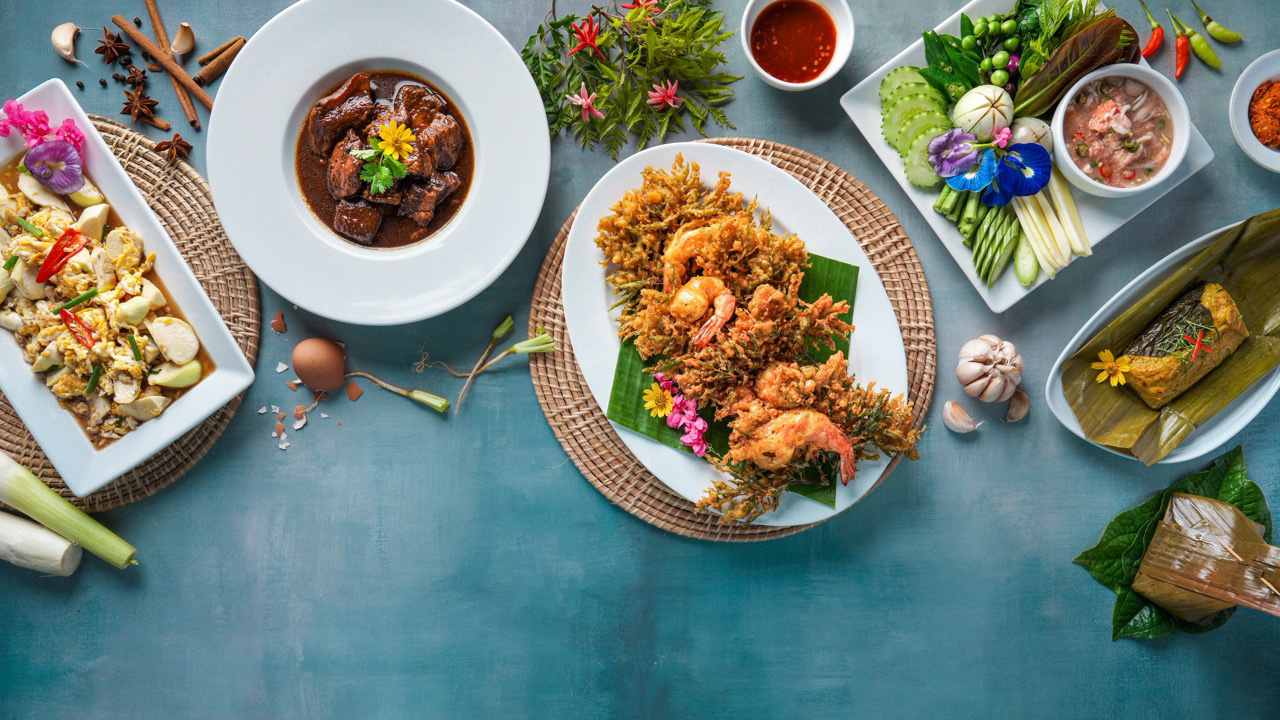
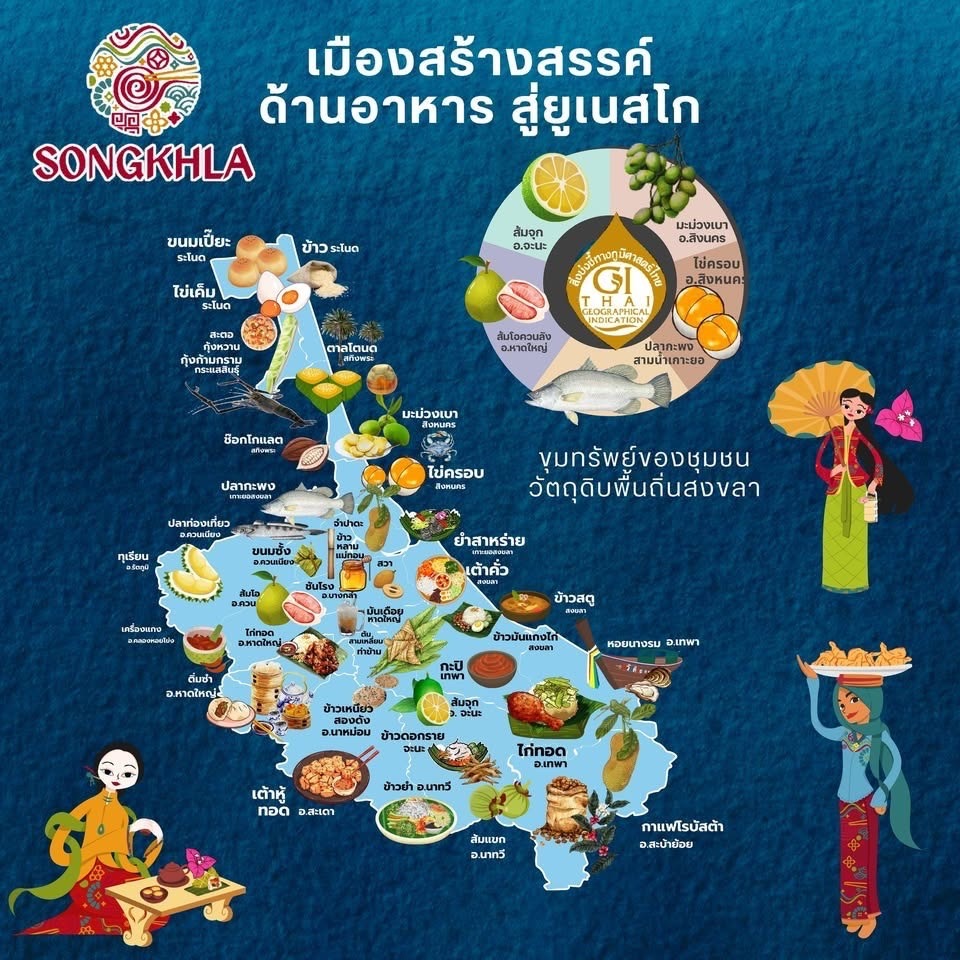
Songkhla positions itself under the concept “Songkhla Gastronomy for Health and Wellbeing”, drawing on its identity as a “city of two seas and three waters”, the Songkhla Lake ecosystem, local ingredients and a culinary culture shaped by Thai, Chinese, Indian and Javanese influences.
UNESCO has also highlighted the city’s use of gastronomy to connect with sustainable aquaculture, food security, culinary innovation, education and international cooperation, areas that can be effectively developed into Knowledge-based MICE.
Credit: Songkhla gastronomy network
These recognitions reflect urban development that connects events with the environment, society and quality of life.
Songkhla therefore offers particular strengths for events related to gastronomy, culture, sustainability, the halal economy and urban development, while bringing together Songkhla, Hat Yai, universities, communities and businesses across Southern Thailand to create both experiences and economic opportunities for the city and the wider region.
Surat Thani: Islands, Wellness and Incentive Travel
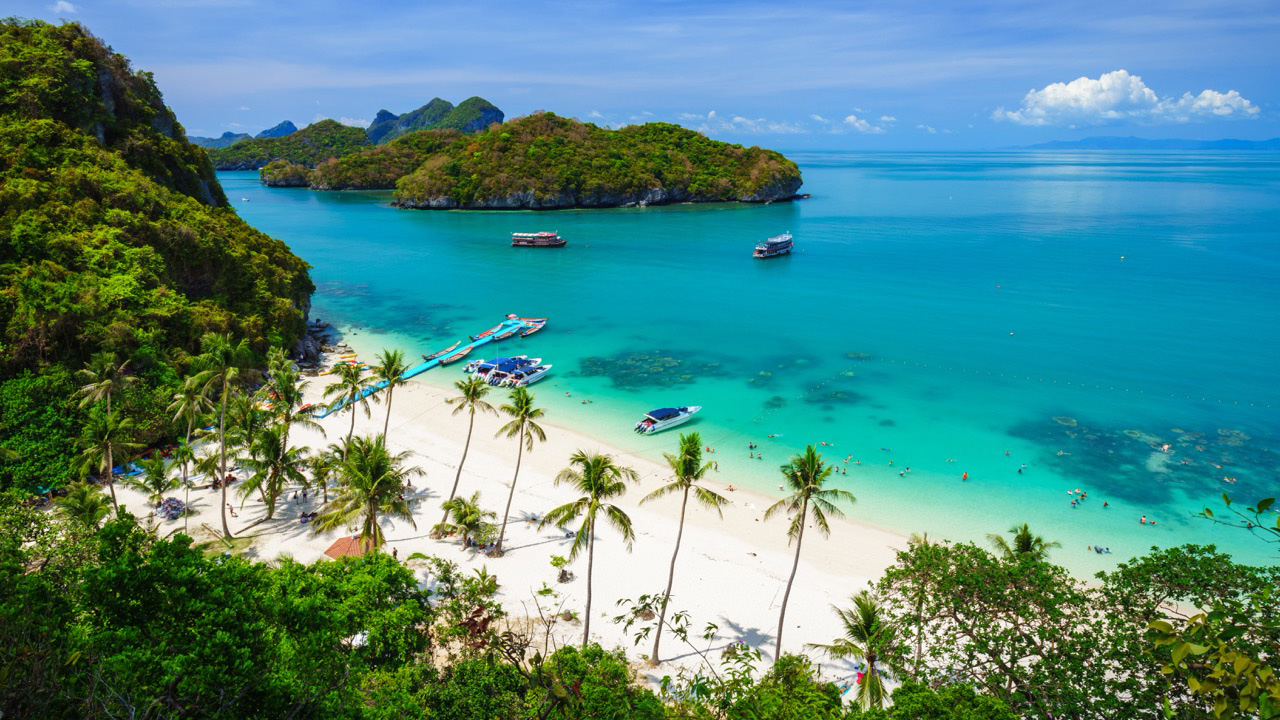
For events that use the destination experience as an important part of the incentive, Surat Thani offers resources distinctly different from those of other cities, particularly Koh Samui, Koh Phangan and the natural areas of the Gulf of Thailand.
Koh Samui received continued international recognition in island and tourism destination rankings during 2025–2026, reflecting its strength as a destination for leisure and international experiences.
In 2026, Koh Samui in Surat Thani was named “World’s Best Island 2026” in the Travel + Leisure World’s Best Awards 2026.
Beyond the island itself, Samui International Airport ranked No. 2 among the region’s Best Airports, while five hotels on Koh Samui were placed in the Top 10 Beach & Island Resorts, reflecting the destination’s hospitality and connectivity ecosystem.
Surat Thani and Koh Samui have also been included in the MICHELIN Guide Thailand since the 2024 edition, adding another dimension to the destination’s gastronomy and hospitality.
In sustainability, recognition at the operator and destination level includes Tongsai Bay on Koh Samui, which received the Responsible Thailand Awards 2022 in the Eco Lodge/Eco Hotel category, while Big Blue Conservation on Koh Tao received recognition in the Marine, Nature and Heritage category.
For the MICE industry, Surat Thani’s strengths lie in incentive travel, wellness programmes, small executive meetings and corporate gatherings in environments distinct from traditional business cities, supported by services capable of accommodating international travellers.
The destination can therefore transform the appeal of a world-class leisure destination into distinctive and meaningful business experiences.
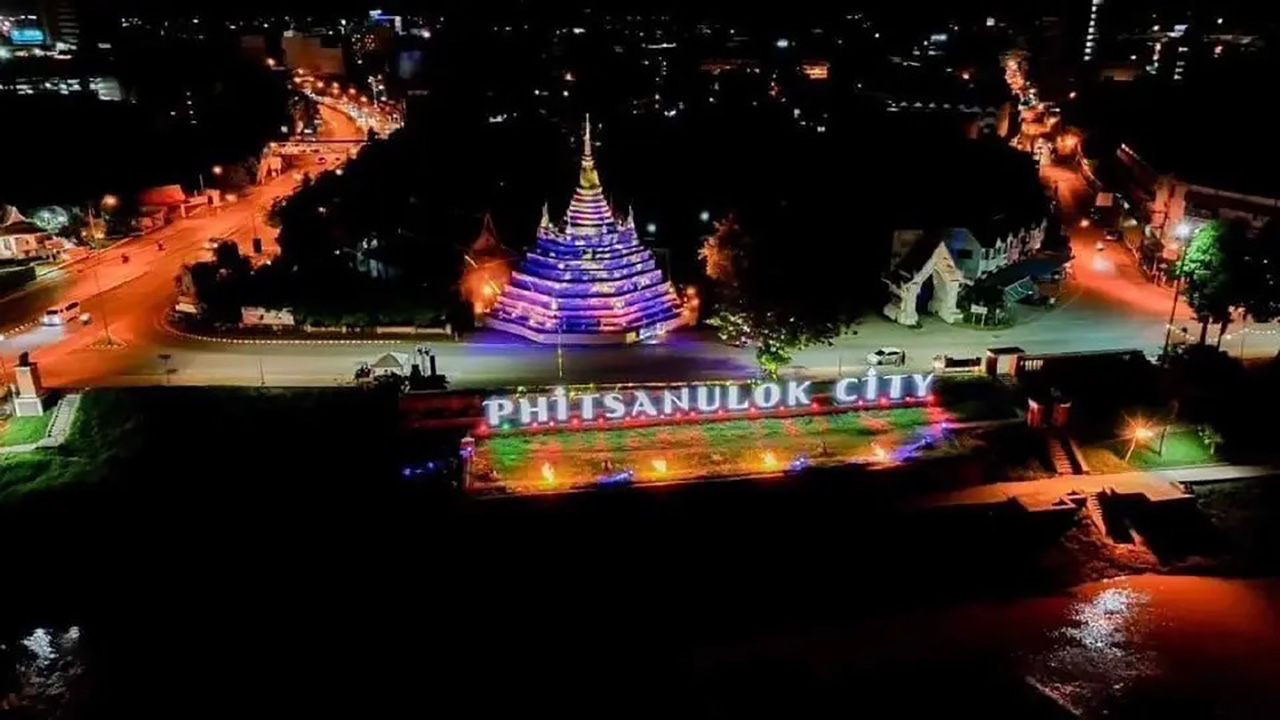
Phitsanulok: A Gateway to Knowledge, Heritage and Lower Northern Thailand
Phitsanulok serves as a centre of Lower Northern Thailand and offers convenient access to historic cities, nature, agriculture and surrounding communities.
This makes it particularly suitable for events that combine meetings with Study Visits or Learning Journeys.
In 2024, IFEA Asia selected Phitsanulok to host the World Cultural Heritage City and Night Festival Conference 2025, reflecting confidence in the city’s ability to host international platforms related to culture, cities and festivals.
TCEB positions Phitsanulok as a MICE activity hub for Lower Northern Thailand, capable of hosting meetings, exhibitions and activities connected with history, agriculture, herbal knowledge and local communities.
The province is also working towards positioning itself as an International Wellness City through initiatives such as the Herb Health and Wellness Expo, ECO Wise Forum by PCOR 2026 and the development of PHIT LOK Warrior Spirit Fest.
Phitsanulok’s value therefore lies in its role as a gateway that connects Lower Northern Thailand with event programmes, rather than attempting to offer the same proposition as larger MICE cities.
One Country Does Not Need Just One Type of Destination
Looking at all 10 cities together, one of Thailand’s greatest strengths is its Diversity of Destinations.
Design and innovation events can connect with Bangkok’s business and creative ecosystems.
Creative industries and local culture can connect with Chiang Mai and Khon Kaen.
Industry and investment-related events can connect with Pattaya–Chonburi and Nakhon Ratchasima.
Gastronomy and incentive travel programmes can draw on the distinct identities of Phuket, Songkhla and Surat Thani.
Events focused on heritage, learning and sustainability can connect with Udon Thani, Phitsanulok and surrounding areas.
International certifications and awards therefore serve as evidence of each city’s strengths, but they do not replace the fundamental considerations involved in destination selection.
Organisers must still assess access, venues, accommodation, technology, safety, services, standards and sustainability according to the nature of each event.
What Thailand offers beyond these fundamentals is the ability to select a city that matches the purpose of an event and incorporate the city’s identity and strengths into Experience Design, from conference content and study visits to networking activities and post-event programmes.
From “Where to Meet” to “Why This City”
Destination selection is therefore no longer simply about asking, “Where in Thailand can an event be held?”
The more important question is: “Which city in Thailand is best suited to what this event is trying to create?”
This is the meaning of Why Thailand: Thailand’s MICE Cities, Distinctive Identities, Global Standards.
Thailand’s strength does not lie simply in having a large number of award-winning or internationally recognised cities. It lies in having destinations different enough to allow organisers to choose according to the objectives of each event, supported by a city network capable of turning those differences into value for participants.
Thailand’s MICE Cities demonstrate that destination readiness today is measured not only by venues and infrastructure, but also by identity, knowledge and internationally recognised capabilities.
Chiang Mai, Phuket and Songkhla have been recognised as World Festival & Event Cities; Nakhon Ratchasima stands out for its recognition under three UNESCO programmes; Udon Thani combines the Ban Chiang World Heritage Site with its role as host of an international horticultural expo; Khon Kaen is advancing through smart-city development and ASEAN-standard MICE infrastructure; Phitsanulok serves as a gateway to Lower Northern Thailand; and Surat Thani builds on Koh Samui’s international reputation as a global destination.
Together, these strengths make Thailand’s MICE Cities network more than a collection of places capable of hosting events.
It is a platform that brings Business Events together with knowledge, culture, creativity, technology and sustainability, giving international organisers a choice of multiple destinations within Thailand while creating meaningful experiences and positive impacts that extend across the economy, communities and regions of the country.