From the Halal Market to Global Business Opportunities
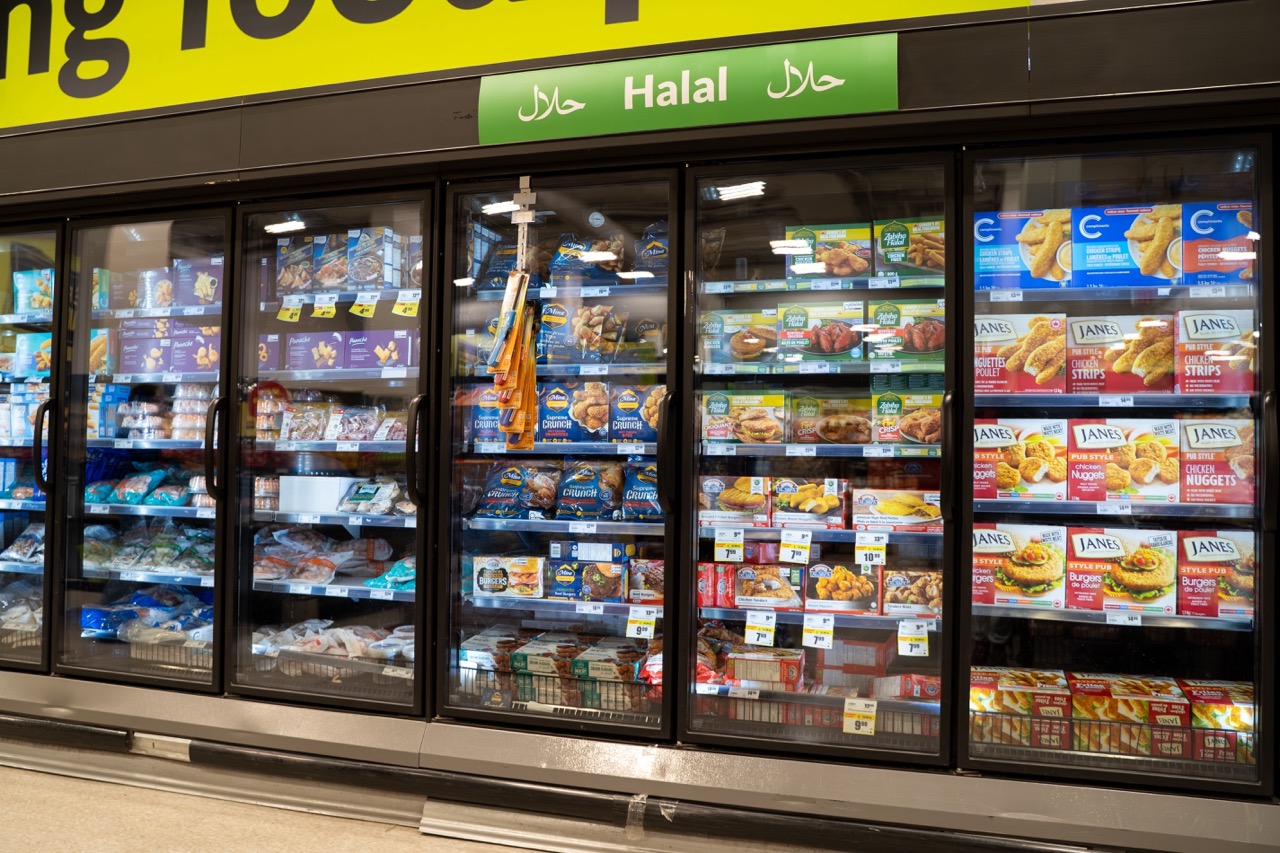
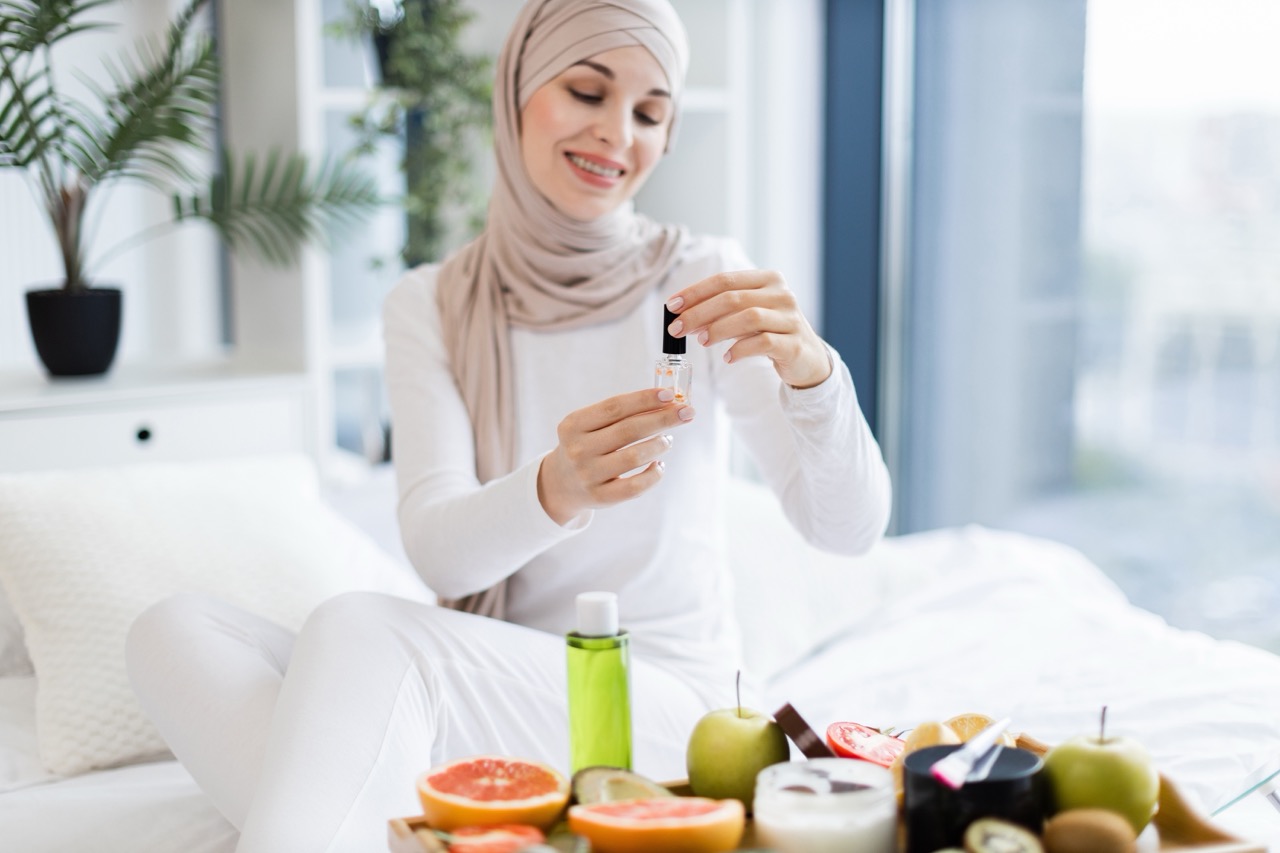
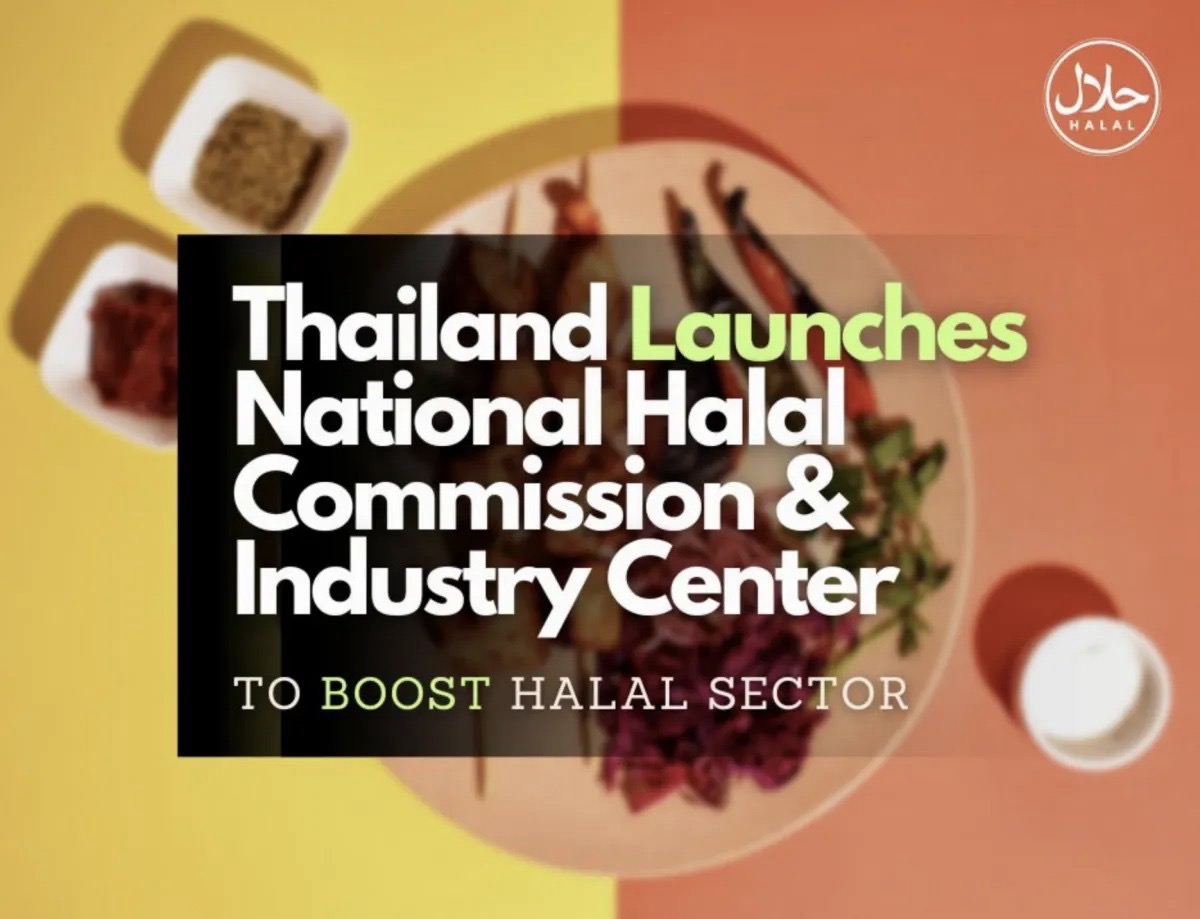
When people think of “halal”, food or services for Muslim travellers are often the first things that come to mind. In today’s global economy, however, the halal economy extends far beyond these areas. It encompasses food, cosmetics, pharmaceuticals and medical products, health and wellness, tourism, fashion, media, as well as lifestyle products and services.
Each of these sectors brings together producers, buyers, investors, researchers, technology developers and specialists through international networks. The halal economy is therefore not merely a niche market serving a particular consumer group, but an economic system connected with trade, investment, standards, research and innovation across many countries.
According to EXIM BANK, citing the State of the Global Islamic Economy Report 2025/2026, Muslim consumer spending across six major economic sectors — food, travel, fashion, pharmaceuticals, cosmetics, and media and entertainment — reached approximately USD 2.6 trillion in 2024 and is projected to rise to USD 3.6 trillion by 2029. The halal food market alone is valued at approximately USD 1.5 trillion and continues to show strong growth potential.
For Thailand, the country’s strengths go beyond its ability to accommodate Muslim travellers. They also include a strong production base in food and consumer goods, scientific capabilities and certification systems, medical and healthcare services, a well-developed service sector, and infrastructure that connects Thailand with international markets.
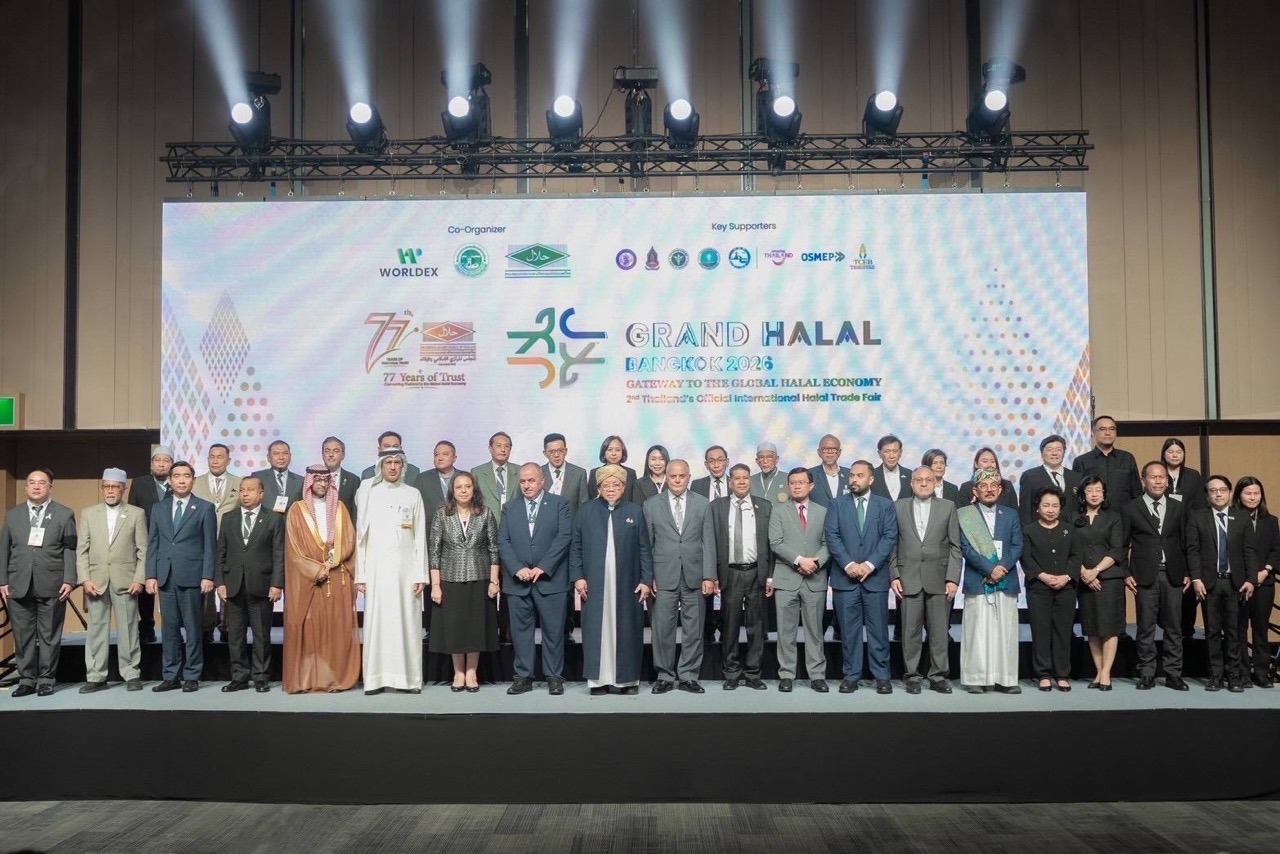
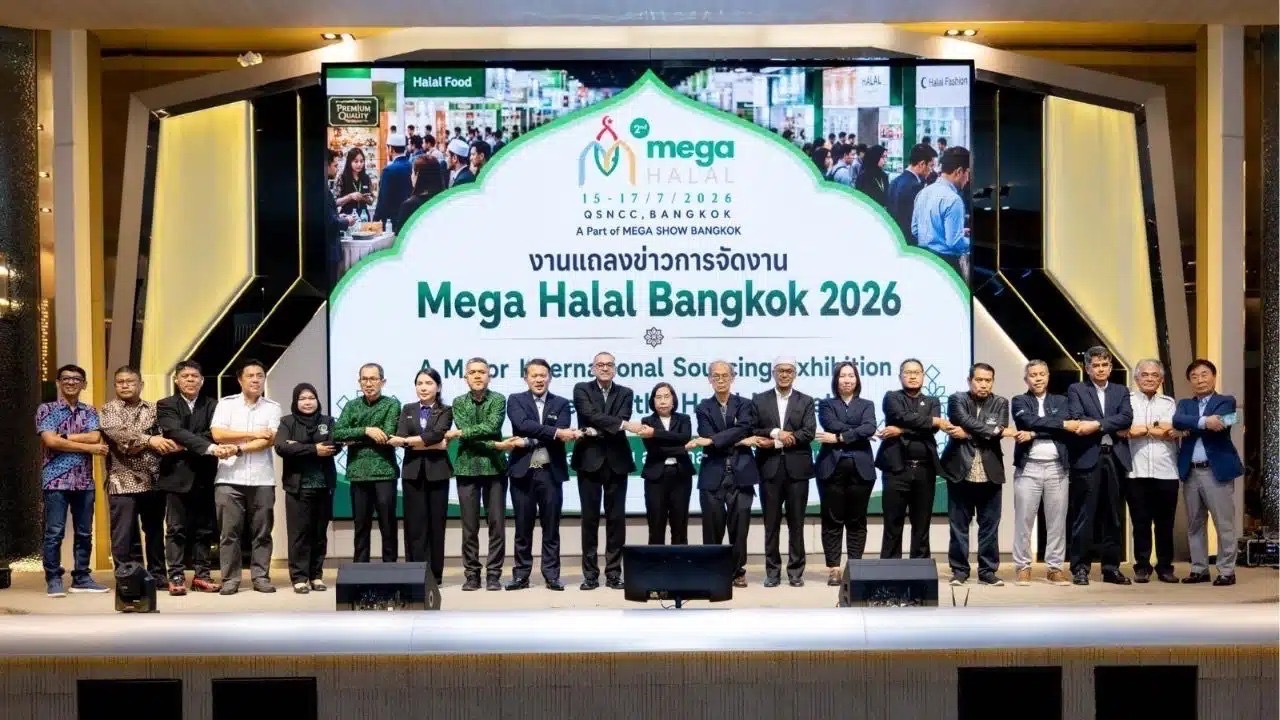
These elements allow the halal economy to connect directly with the MICE industry through exhibitions, conferences, business negotiations, study visits and knowledge-exchange platforms, bringing international buyers, investors, specialists and business networks into direct contact with Thai entrepreneurs and Thailand’s business ecosystem.