Thailand Convention & Exhibition Bureau (TCEB)

UNESCO Heritage as MICE Inspiration: From World Heritage to Meaningful MICE Experiences

Today, the journey of attending a MICE event does not end when participants leave the meeting room. For incentive travel, study visits, corporate meetings and relationship-building activities, experiences outside the event venue can be just as important as the content presented on stage. These are the moments when participants experience the destination, discover its stories, meet local people and create shared memories.

Today, the journey of attending a MICE event does not end when participants leave the meeting room. For incentive travel, study visits, corporate meetings and relationship-building activities, experiences outside the event venue can be just as important as the content presented on stage. These are the moments when participants experience the destination, discover its stories, meet local people and create shared memories.

Thailand possesses a significant asset in its UNESCO World Heritage Sites, which are located across different regions of the country. They encompass historic cities, archaeological sites, religious places that remain part of living traditions, and forest areas of major ecological and biodiversity importance.

These heritage sites are therefore more than tourism attractions. They are sources of knowledge, stories and inspiration that can be meaningfully incorporated into the design of MICE experiences.

The key is not to bring as many events as possible directly into World Heritage areas, but to integrate the values, stories and context of each place into the participant experience, while giving priority to conservation, local communities, regulations and the carrying capacity of each site.
Article image 1

Credit: https://www.unesco.org/en/countries/th
Thailand’s Nine World Heritage Sites Tell the Country’s Story from Multiple Perspectives

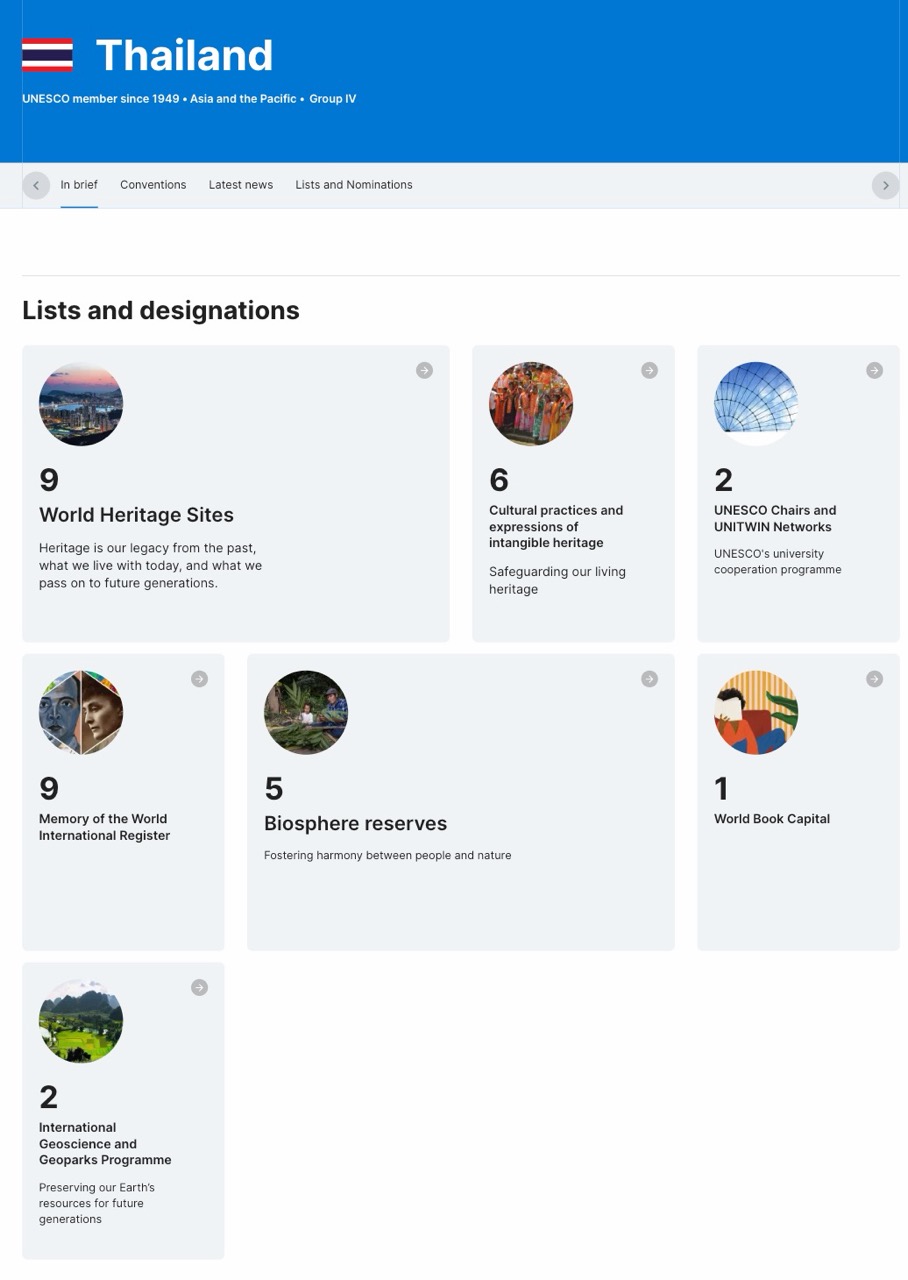
According to the latest UNESCO information, Thailand has nine World Heritage Sites.

Six are cultural heritage sites: the Historic City of Ayutthaya; the Historic Town of Sukhothai and Associated Historic Towns; Ban Chiang Archaeological Site; the Ancient Town of Si Thep and its Associated Dvaravati Monuments; Phu Phrabat; and Wat Phra Mahathat Woramahawihan in Nakhon Si Thammarat.

The three natural World Heritage Sites are the Thungyai–Huai Kha Khaeng Wildlife Sanctuaries, the Dong Phayayen–Khao Yai Forest Complex and the Kaeng Krachan Forest Complex.

This diversity gives Thailand a rich range of content from which to design MICE experiences that reflect the context of each destination.

History connects with trade, diplomacy and urban development. Nature connects with sustainability, conservation and ESG. Culture, cuisine, craftsmanship and the ways of life of communities surrounding heritage sites extend the learning experience beyond the sites themselves to local people and the local economy.

World Heritage therefore serves not only as a designation recognising the value of a destination, but also as an important foundation for designing Meaningful MICE Experiences with stories and content that are uniquely Thai.

Ayutthaya: From Former Capital to a Place of Learning about Trade and Global Connections

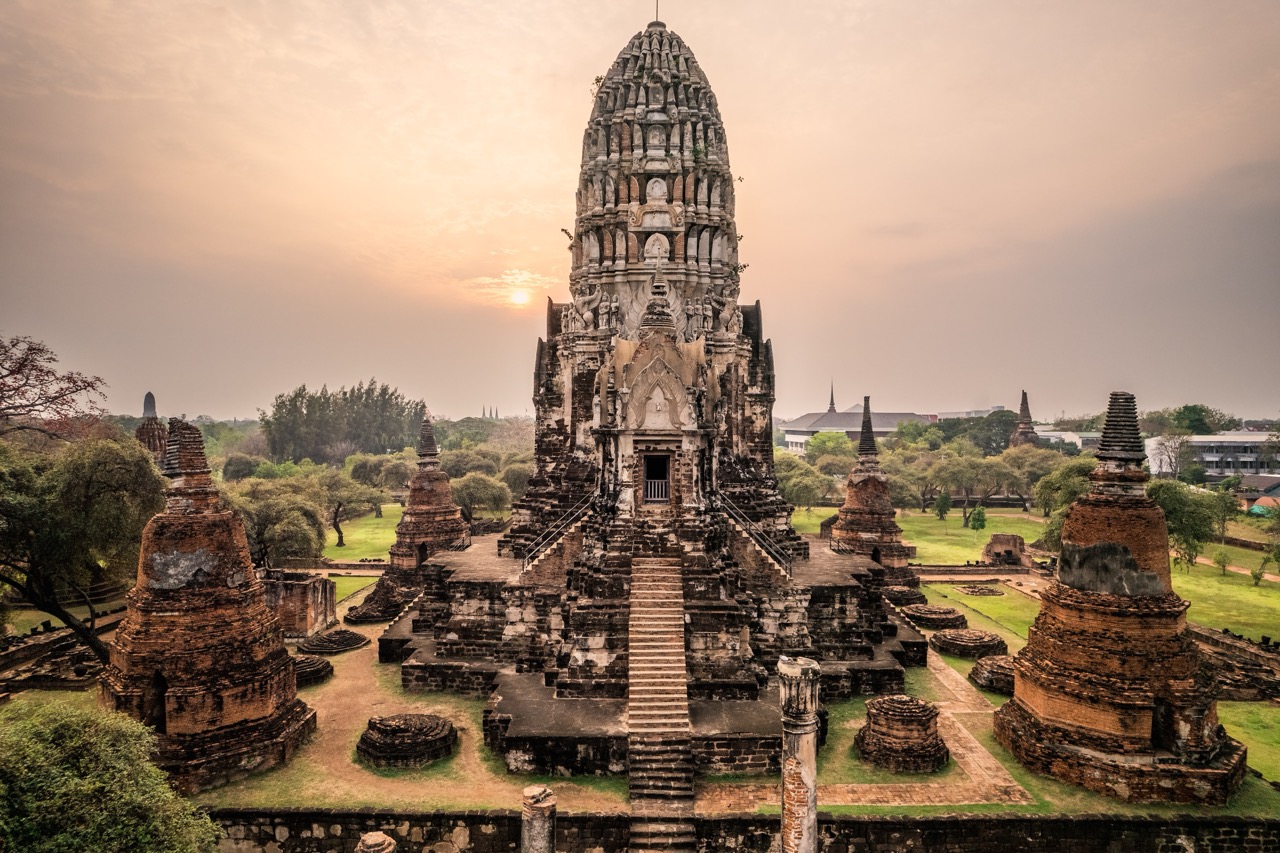
The Historic City of Ayutthaya was inscribed on the World Heritage List in 1991. At the height of its prosperity, it was a major city with an important role in international diplomacy and trade.

For MICE experience design, the value of Ayutthaya extends beyond visiting historic monuments. Its story is one of a city that once connected people, cultures and trading networks from different parts of the world.

A Historical Learning Journey can connect the history of trade, cultural exchange, diplomacy and urban administration with contemporary themes. Incentive and Team Building programmes can also incorporate walking or cycling through the historic city as part of shared learning and experience.

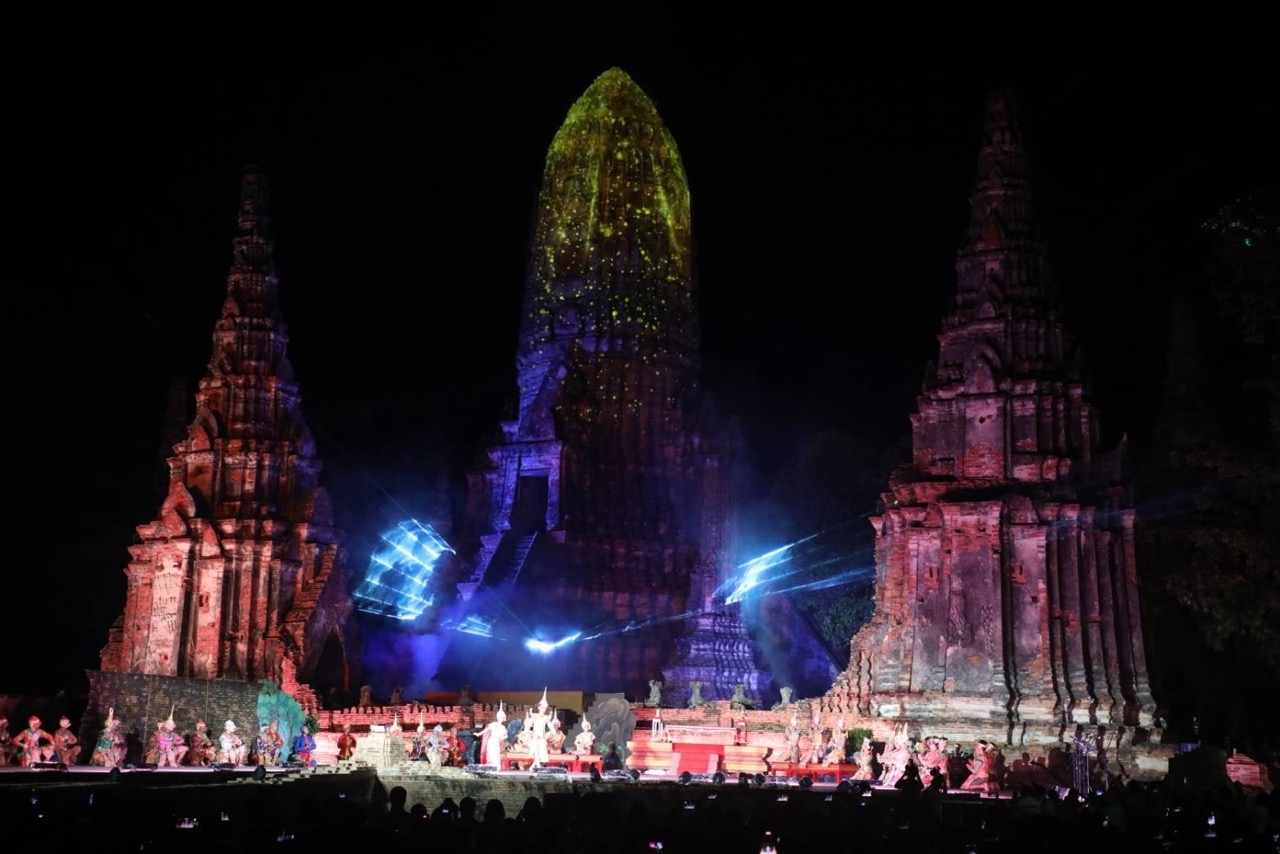
TCEB presents Ayutthaya Historical Park as one of the experiences available to MICE travellers, connecting historical learning and visits to important monuments with meeting venues, accommodation and community activities around the city. Ayutthaya is also part of MICE activity routes in Central Thailand.

This approach clearly separates heritage areas used for learning from spaces intended for event organisation, allowing participants to experience the value of the destination without placing unnecessary pressure on historic sites.

Article image 2

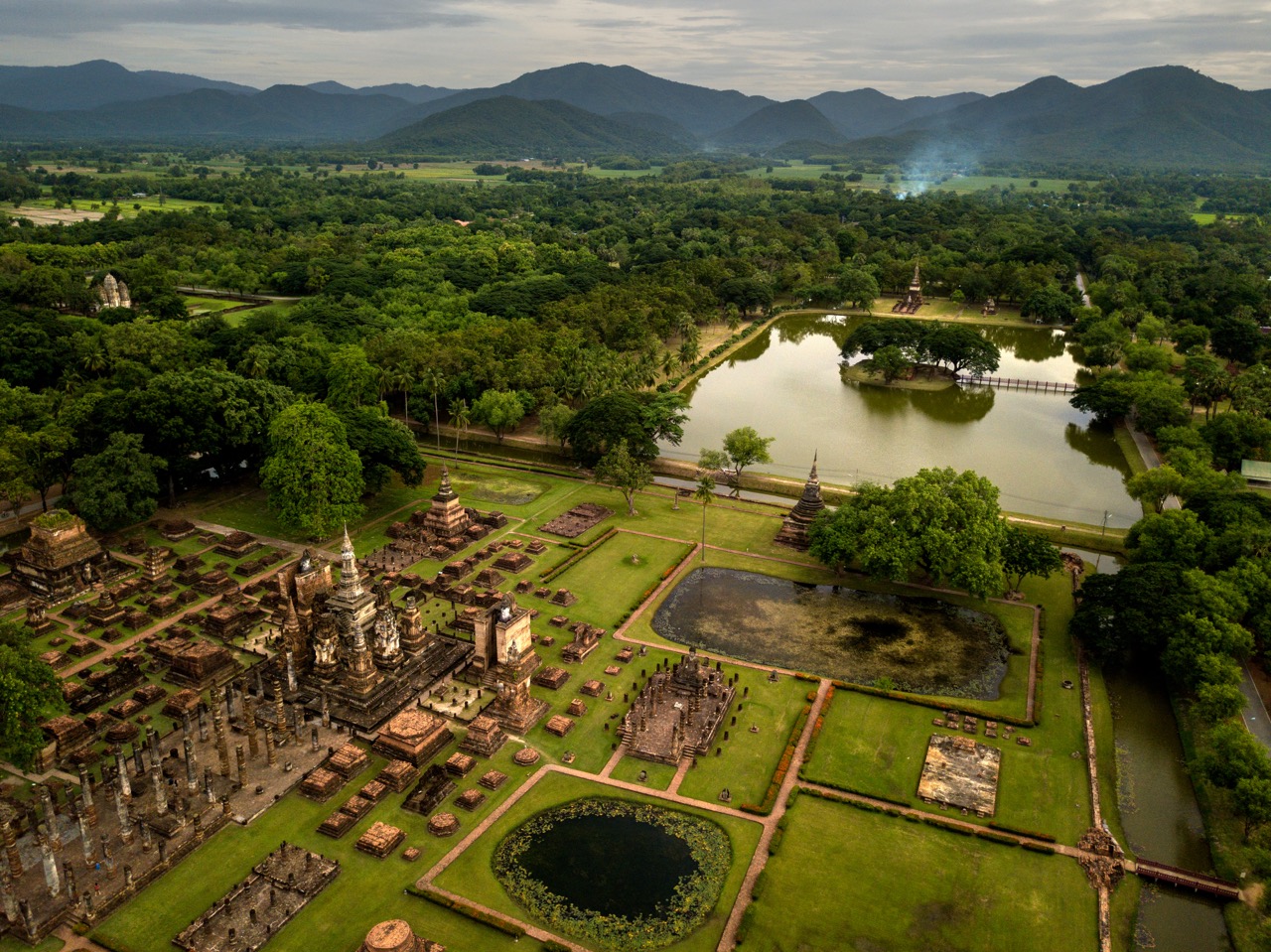
Sukhothai: Connecting History with Communities and Creativity

The Historic Town of Sukhothai and Associated Historic Towns was inscribed on the World Heritage List in 1991. It encompasses the historically connected ancient towns of Sukhothai, Si Satchanalai and Kamphaeng Phet.

UNESCO recognises the area for its architectural significance and its role in the early cultural development of the Sukhothai Kingdom.

For MICE experience design, Sukhothai’s strength lies not only in its historic monuments, but also in its connection with local communities, craftsmanship, cuisine, agriculture and knowledge that continues to be passed down to the present day.

TCEB presents Sukhothai as a destination where MICE travellers can combine historical learning with community activities, including traditional mud-fermented textile crafts, local cuisine and organic agriculture.

These hands-on experiences are particularly suited to Team Building and Incentive Programmes that emphasise participation and active learning.

Experiences of this kind demonstrate that World Heritage is not disconnected from contemporary life.

Participants begin by understanding history, then continue by meeting local people, discovering craftsmanship and experiencing local ways of life. In the process, they see how knowledge inherited from the past continues to contribute to the economy, culture and communities of the present.

Article image 3

Khao Yai: When Nature Becomes a Classroom for ESG

For organisations that place importance on ESG, sustainability and the environment, Thailand’s natural World Heritage Sites provide a learning environment that offers a different experience from a conventional meeting setting.

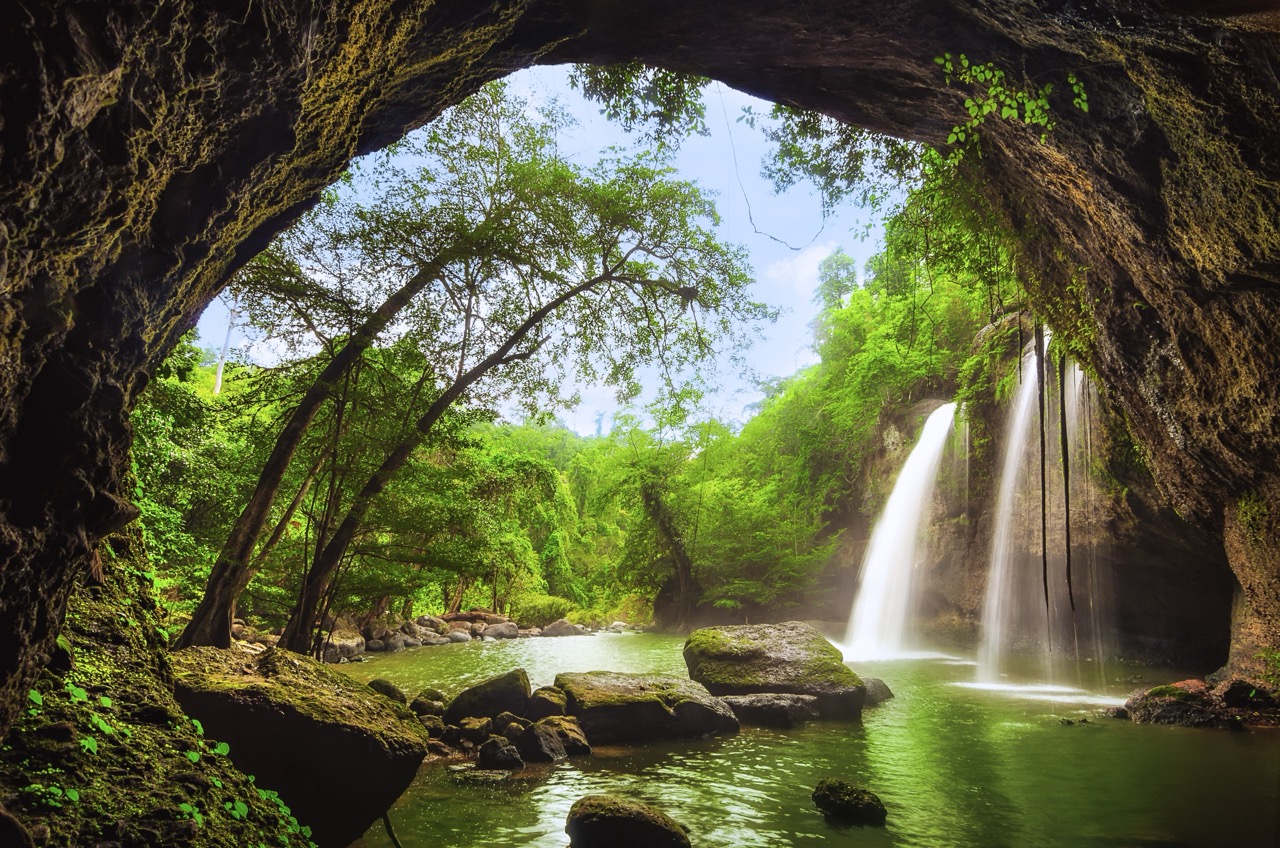
The Dong Phayayen–Khao Yai Forest Complex encompasses a large and continuous protected area of major importance to biodiversity.

UNESCO states that the area is home to more than 800 species of fauna and also plays an important role as a source of watersheds in Thailand.

For MICE experience design, the value of the area lies in using nature as a setting for learning about ecosystems, resource management, biodiversity and the relationship between human activity and the environment.

A Sustainability Learning Programme can connect what participants see and learn in the actual environment with their organisation’s ESG principles, making sustainability more than a topic discussed in a meeting room and turning it into something participants can experience and understand through real-world context.

Learning formats can include exchanges with experts, conservation study visits and activities in authorised areas or surrounding locations, without the need to bring large-scale activities directly into protected zones.

This approach is aligned with TCEB’s direction in placing sustainability and ESG at the heart of MICE industry development, connecting environmental and social considerations with the creation of economic value.

Article image 4

Kaeng Krachan: From Team Building to Understanding Biodiversity

The Kaeng Krachan Forest Complex is another important area where MICE experiences can connect with learning about sustainability and biodiversity.

UNESCO notes that the site is located at the convergence of several ecological and biogeographical zones, contributing to its high level of biodiversity. It is also an important habitat for many species of wildlife, including tigers and elephants.

Within the context of MICE experiences, a natural World Heritage Site is not a playground for activities. Instead, it provides a setting for understanding the value of nature and the importance of conservation.

Experiences therefore focus on learning, awareness building and activities carried out in accordance with the requirements of the authorities responsible for the area, while also connecting participants with local communities and services around the destination that can appropriately accommodate visitors.

When nature becomes part of the learning content, an activity gains greater meaning than simply taking photographs or travelling to enjoy the scenery.

Participants can see directly how ESG is connected with ecosystems, natural resources, communities and the everyday lives of people.

Wat Phra Mahathat Woramahawihan: A New World Heritage Site Where Heritage Remains Alive

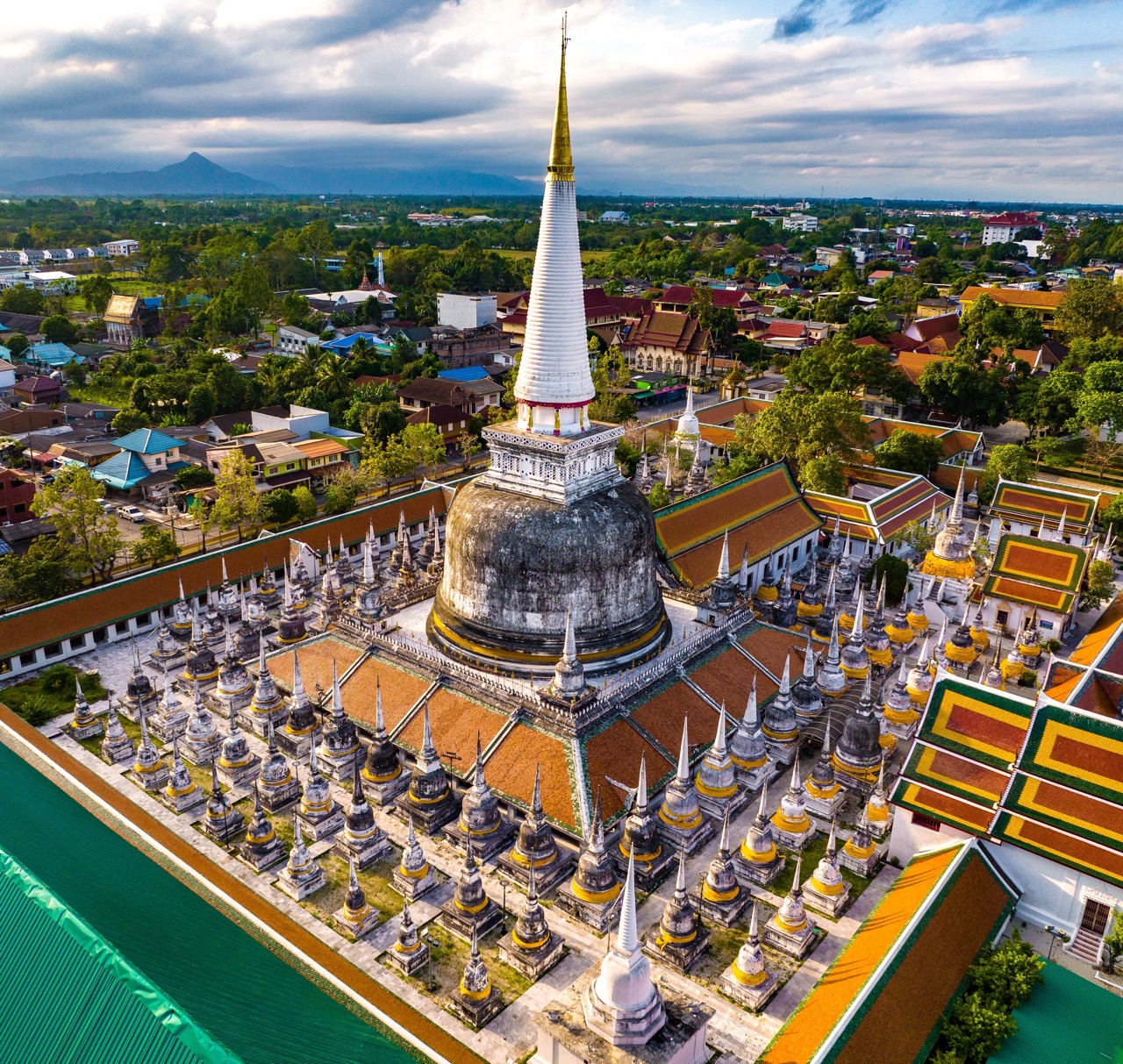
In July 2026, Thailand welcomed its ninth World Heritage Site when Wat Phra Mahathat Woramahawihan in Nakhon Si Thammarat was inscribed on the UNESCO World Heritage List.

It became the first cultural World Heritage Site in Southern Thailand following more than a decade of efforts and anticipation.

The value of the site extends beyond its architecture. It is reflected in the continuity of religion, traditions and culture that have endured over a long period of time.

UNESCO recognises the temple’s role as a regional centre of Buddhism, together with traditions connected to the site such as Hae Pha Khuen That and the performing art of Nora.

For the MICE industry, this World Heritage Site adds a new dimension to Cultural Learning Journeys in Southern Thailand, bringing together stories of religion, history, art, tradition and ways of life.

Experience design in a sacred place begins with respect for the site, its religious significance and the people connected to it.

Learning programmes therefore focus on history, religion, artistic heritage, traditions and engagement with knowledge holders before extending into local cuisine, communities, craftsmanship and other experiences in Nakhon Si Thammarat.

This approach enables participants to experience Living Heritage as something that continues to have meaning in people’s lives today, without reducing a sacred place to merely a backdrop for an event.

Article image 5

From World Heritage to Creative Cities

UNESCO World Heritage and the UNESCO Creative Cities Network are separate programmes. Within the context of the MICE industry, however, they share an important principle: using culture, creativity, knowledge and urban identity as drivers of development.

Bangkok has been a member of the UNESCO Creative Cities Network in the field of Design since 2019.

In 2023, the city hosted the Bangkok Creative City Dialogue, bringing together representatives from creative cities in different countries to exchange ideas on urban development, the creative economy and city-to-city collaboration.

The event welcomed representatives from 22 cities across 13 countries. During the Experience Sharing session, representatives from 10 UNESCO Creative Cities in eight countries exchanged case studies.

This illustrates that “urban creativity” is not simply an attribute of a destination. It can become both the content of a conference, a body of knowledge for exchange, and one of the reasons a city stands out as a host destination.

A city capable of hosting MICE events therefore offers more than convention centres and event venues. Its knowledge, creative industries, districts, artists, designers and communities can all become part of the participant experience.

Article image 6

Credit: https://creativecity.cea.or.th/

From Sightseeing to a Learning Journey

Connecting UNESCO Heritage with MICE experiences goes well beyond adding a sightseeing programme after a conference.

The greater value lies in making each destination part of the learning journey and integrating the values, culture and local identity of a place into the MICE experience in a meaningful way.

Ayutthaya opens conversations about trade, diplomacy, cultural exchange and the development of an international city.

Sukhothai connects history with craftsmanship, local wisdom and community life.

Khao Yai and Kaeng Krachan connect participants with biodiversity, conservation and ESG.

Nakhon Si Thammarat demonstrates the relationship between religion, tradition, art and Living Heritage.

When heritage becomes part of the journey’s content, Pre Tour, Post Tour, Incentive and Study Visit programmes are no longer simply activities outside the meeting room. They become part of the core experience and objectives of the MICE event.

Participants do more than travel to a new place. They leave with a deeper understanding of Thailand, its people and the issues connected with the purpose of their event.

The Benefits Extend Beyond Participants

When MICE programmes connect appropriately with heritage and communities, the benefits of an event spread throughout the surrounding economy.

Tour operators, guides, transportation providers, restaurants, local producers, craftspeople, community speakers and activity providers all form part of the MICE experience value chain.

For organisers, an experience built around the distinctive story of a destination strengthens the Brand Experience and makes the event more memorable and differentiated.

For cities, connecting participants from meeting venues with surrounding areas helps distribute spending, creates economic opportunities for secondary destinations and communities, and enables the benefits of the MICE industry to reach a broader range of people.

TCEB’s approach places importance on connecting local identity, culture, cuisine, communities and destination knowledge with the experiences of MICE travellers throughout Thailand.

A single journey can therefore create value beyond participant numbers or overnight stays, with benefits extending to local businesses, people and the communities that sustain each destination.

World Heritage Is Not an Event Backdrop, but a Legacy to Be Passed On

Connecting World Heritage with MICE experiences comes with a responsibility to preserve the value of each place.

Programme design needs to consider participant capacity, site regulations, appropriate timing, impacts on communities, waste management, transportation and measures to prevent disruption to ecosystems or sacred spaces.

Every destination has its own limitations and appropriate forms of use.

Some locations are better suited to small-group learning, while others are appropriate for study visits. Large-scale activities or meetings can be organised at external venues, with heritage incorporated into the learning programme instead.

This is particularly important for natural World Heritage Sites, where ecosystems and conservation are the core values of the destination.

Activity design must prioritise the value and integrity of the site before programme convenience.

The objective is therefore not to bring as many participants into a heritage area as possible, but to help participants gain a deeper understanding of the place while creating benefits for local communities and those responsible for safeguarding its heritage.

From Heritage to Legacy

World Heritage tells the story of what people and nature have passed down from the past.

The MICE industry connects those stories with people in the present and helps create outcomes that can be carried forward into the future.

A journey to Ayutthaya helps participants understand Thailand’s historical connections with the wider world through trade and diplomacy.

Learning in Sukhothai connects travellers with craftspeople, communities and local wisdom that continues to create economic value today.

Experiences in Khao Yai and Kaeng Krachan make biodiversity, conservation and ESG understandable through real environments.

A journey to Nakhon Si Thammarat allows participants to experience Living Heritage through the relationship between religion, culture, tradition and everyday life.

Together, these experiences demonstrate that a MICE journey can create value far beyond visiting a destination.

Thailand’s diversity of World Heritage, culture, nature, creative cities and communities is a distinctive strength in designing MICE experiences with meaningful stories that differentiate the country from other destinations.

UNESCO Heritage as MICE Inspiration is therefore not about placing events amid heritage sites. It is about drawing inspiration from the value of heritage to design events that connect learning, people, destinations and responsibility.

From the Heritage that Thailand has inherited to the Legacy that the MICE industry helps create and pass on to destinations, communities and future participants.

Article image 7

Credit: Fine Arts Department, Thailand