Thailand Convention & Exhibition Bureau (TCEB)

MICE City (MICE City Summit): More Than an Event Destination, a Mechanism for Urban Development in Thailand

A MICE City is not defined only by convention centres, hotels, or convenient transportation. It is a citywide development approach that uses MICE as a strategic tool to drive the economy, strengthen city identity, and enhance the experience of business event travellers.

Why MICE Cities Matter to the Future of Thailand

The term “MICE City” may sometimes be understood simply as a city equipped with convention centres, large hotels, or convenient transportation systems. However, from the perspective of modern MICE industry development, the meaning of a MICE City is much deeper.

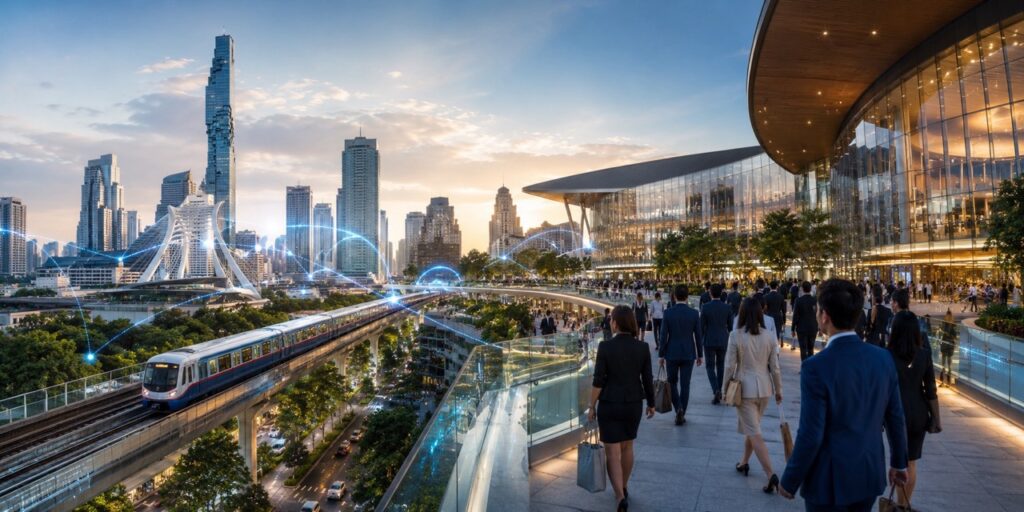
A MICE City is not merely a city with venues to host conferences, exhibitions, or business events. Rather, it refers to the development of an entire city system that is ready to use MICE as a strategic tool to drive the economy, strengthen the city’s image, and enhance the quality of experience for MICE travellers.

For the Thailand Convention and Exhibition Bureau, the concept of a MICE City is therefore not simply about promoting cities as event destinations. It is an important mechanism for distributing economic opportunities from major cities to regional areas, generating income for local entrepreneurs, developing human capital, and connecting Thai cities with the international MICE market.
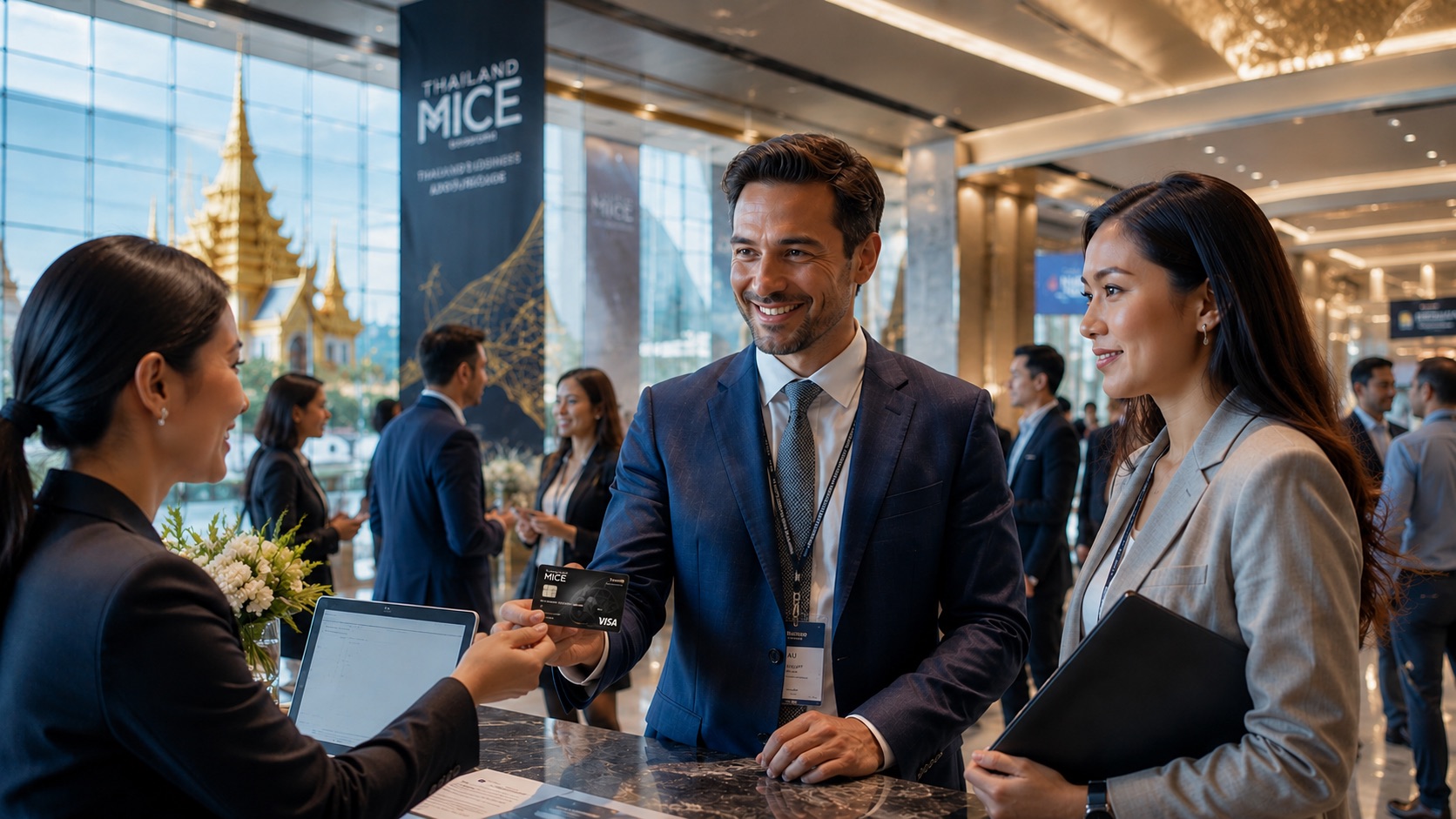
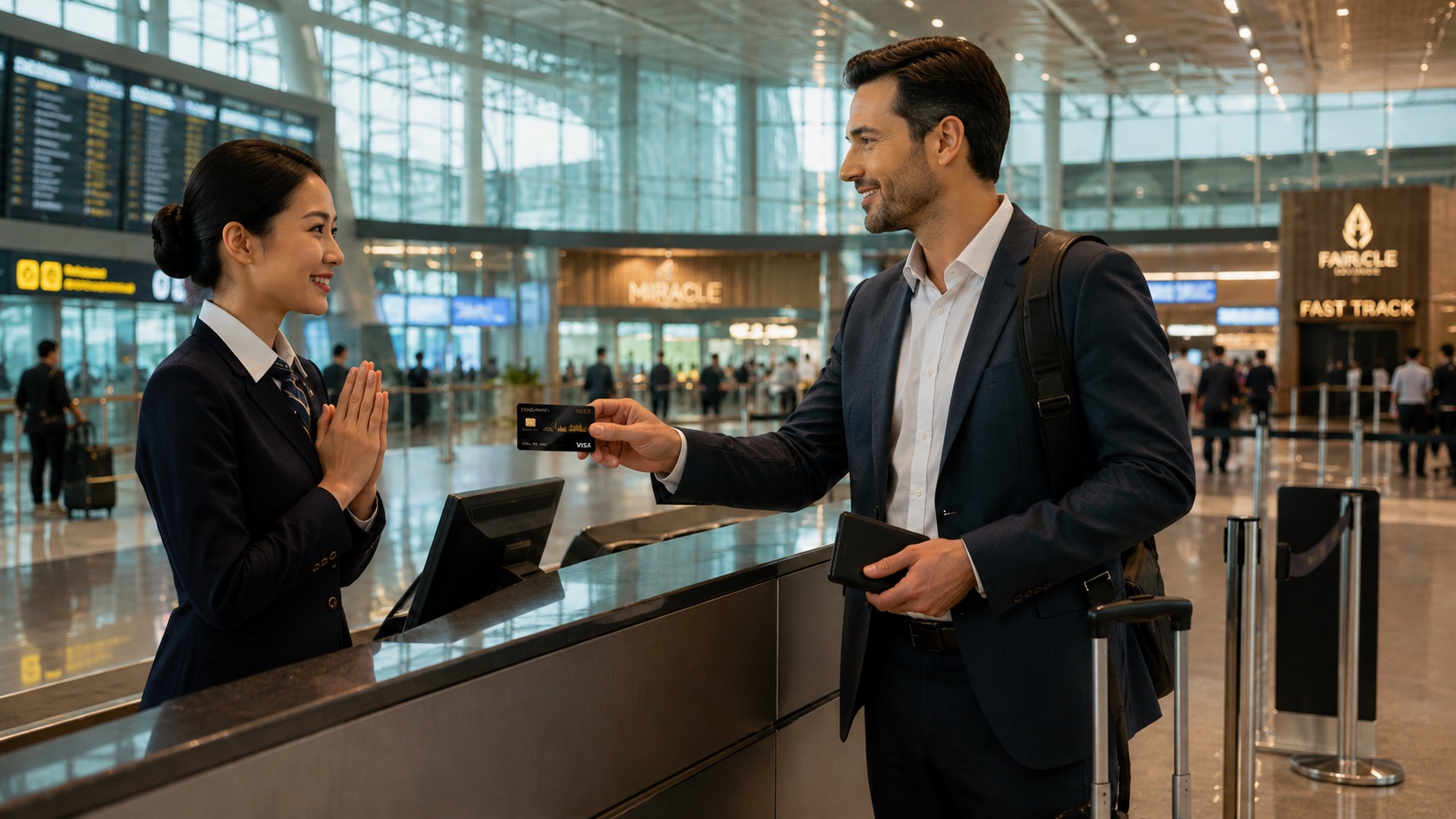
Article image 1

What Is a MICE City?

A MICE City is a city that is systematically prepared to support MICE activities across multiple dimensions, including infrastructure, accessibility, accommodation, event venues, safety, city image, environment, additional activities, and support from local agencies.

The key point is that a MICE City should not be measured only by the availability of event buildings or convention halls. Instead, it must be considered through the lens of the overall city ecosystem and the extent to which the city can comprehensively support event organisers, participants, and business partners.

TCEB’s assessment criteria for MICE Cities cover key dimensions such as accessibility, host city support, activities beyond meetings, accommodation, event venues, city image, city environment, and risk management.

From Five Cities to Ten Thai MICE Cities

TCEB has continued to develop the MICE City concept over time. Thailand’s original five key MICE Cities were Bangkok, Chiang Mai, Pattaya–Chon Buri, Phuket, and Khon Kaen. The network has since expanded to ten cities with the addition of Phitsanulok, Udon Thani, Nakhon Ratchasima, Surat Thani, and Songkhla.

This expansion reflects one of TCEB’s key strategic directions: to distribute the potential of the MICE industry to regional areas, rather than allowing only a few major cities to benefit from large-scale events.

From a destination marketing perspective, having ten MICE Cities also gives Thailand a more diverse destination portfolio. Each city can present its own strengths, such as culture, target industries, nature, cuisine, wellness, education, or the creative economy, and match these strengths with the most suitable types of MICE events.

Article image 2

MICE City Summit: A Platform for Cities to Learn and Move Forward Together

The MICE City Summit is an important platform through which TCEB connects MICE Cities, government agencies, the private sector, educational institutions, and local stakeholders. It provides a space to exchange ideas, strategies, and lessons learned in using the MICE industry as a tool for urban development.

The key value of the MICE City Summit is that it enables cities to move beyond the role of passive event hosts. Instead, cities become active co-designers of their own future through MICE.

A city that aims to become a MICE destination must understand what the market needs, what event organisers are looking for, and which areas the city must strengthen in order to compete in the long term.

From Business Event to Development Event

One of the key messages of the MICE City Summit is the need to look beyond MICE as a “business event” and recognise it as a “development event” — a tool for urban development.

When a city is able to attract international conferences, exhibitions, or events, the outcomes extend beyond revenue generated from participant spending. They also affect hotels, restaurants, transportation businesses, event service providers, local producers, communities, and the long-term image of the city.

In other words, a single MICE event can become the starting point for new investment, business collaboration, workforce development, and city reputation building. If the city has a strong support system, the impact of MICE can expand from the event days themselves to meaningful post-event outcomes.

Article image 3

The Songkhla Model: A Tangible Example of MICE City Sustainability

Songkhla provides an important example for communicating the concept of a MICE City. It shows that the success of a MICE City should not be measured only by the number of events hosted, but also by sustainability, stakeholder participation, and the quality of the city system.

The lesson from Songkhla is that a strong MICE City requires more than venues and hotels. It needs a local collaboration system, clear host agencies, a network of entrepreneurs, capable human resources, and a sustainability direction that can be communicated credibly to national and international event organisers.

Four Key Questions for Modern MICE Cities

For cities that aim to truly elevate themselves into MICE Cities, the key question should not be limited to “Do we have event venues?” Instead, cities should ask four strategic questions.

1. How accessible is the city?

Accessibility is a fundamental factor in the decision-making process of event organisers. Cities with airports, transportation systems, and strong connectivity between event venues, hotels, and tourism areas have a clear advantage in attracting events.

2. What experiences can the city transform into added value?

Modern event organisers are not looking only for meeting rooms. They are also seeking memorable experiences for participants, such as local culture, cuisine, team-building activities, learning spaces, or pre- and post-event travel routes.

3. Does the city have reliable data and management systems?

Modern MICE Cities should use data for planning, such as participant numbers, event timing, accommodation readiness, transportation, safety, and economic impact. These data points help both event organisers and city agencies make more accurate decisions.

4. Does the city have a sustainability story that can be proven?

The international MICE market increasingly prioritises sustainability. Cities that can demonstrate environmental management, community participation, and clear social outcomes will gain greater credibility in the eyes of event organisers.

Article image 4

Conclusion

A MICE City is more than a city with event venues. It is a city with a complete ecosystem that can support meetings, incentives, conventions, exhibitions, and business events across every touchpoint.

In the future, competitive Thai MICE Cities will not be defined only by the size of their buildings, but by the quality of their city systems, the clarity of their positioning, the strength of their support mechanisms, and their ability to create meaningful economic, social, and sustainability outcomes.

The MICE City Summit is therefore an important mechanism that helps Thai MICE Cities learn together, move forward together, and strengthen Thailand’s position as a high-quality MICE destination on the international stage.

Subscribe to TCEB
updates and stay informed about events, activities, and key announcements
* indicates required
or